What’s A KWHLAQ Chart?
A KWHL chart is a variation of a KWL graphic organizer that adds ‘How’ to the predictive and reflective process.

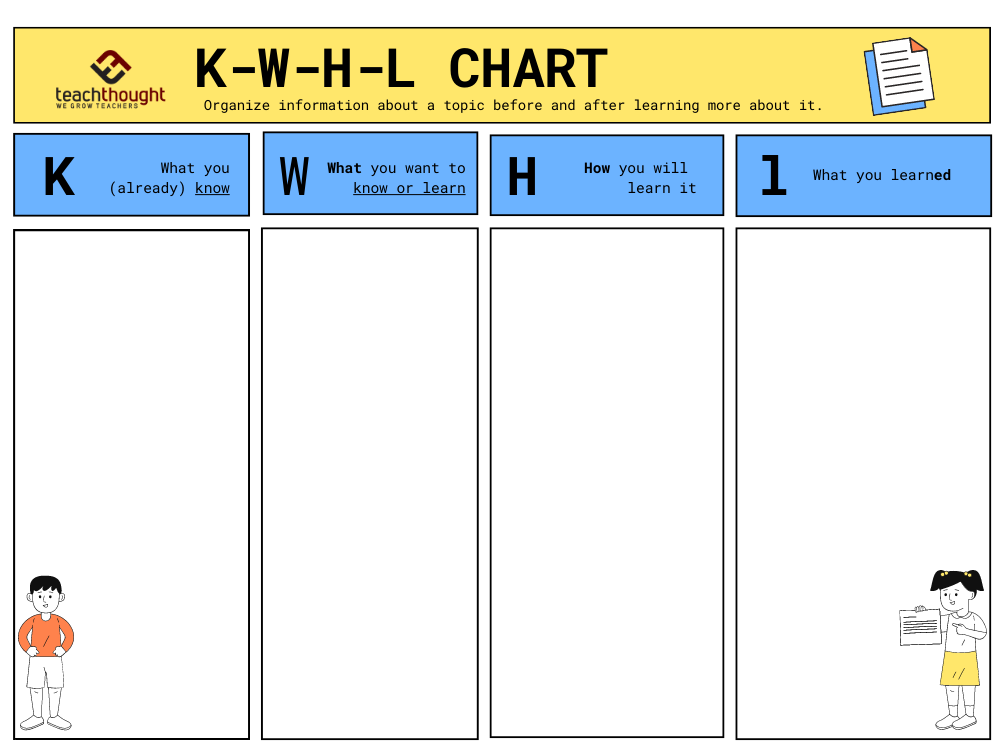
A KWHL chart is a variation of a KWL graphic organizer that adds ‘How’ to the predictive and reflective process.
Deeper learning work presents opportunities for students to wrestle with concepts, ideas, and knowledge in a culture of inquiry.
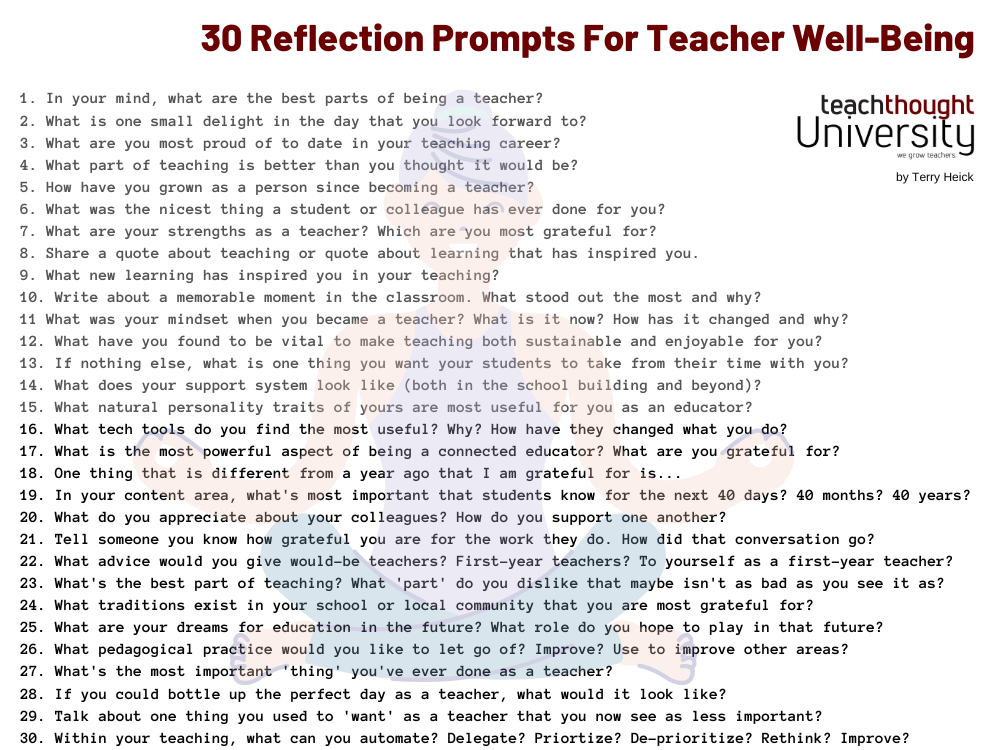
The following metacognitive prompts can help teachers reflect on the full picture of being an educator, including their well-being.
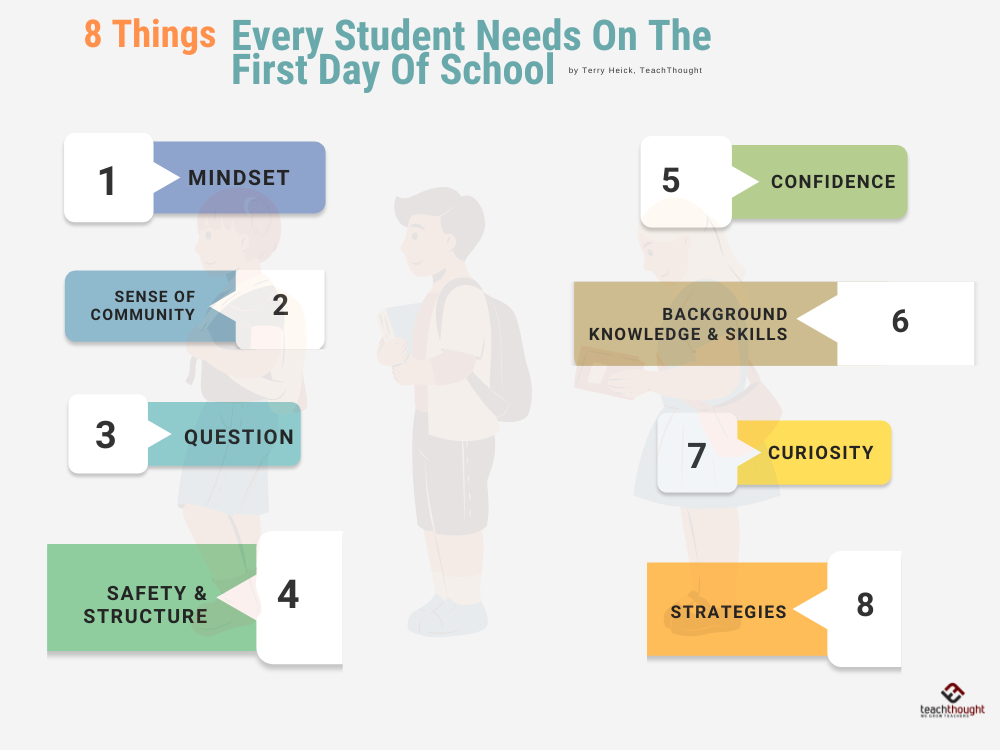
Everyone needs somebody, and the first day of school is one of those times. It is comforting to find a familiar face in an unfamiliar room.
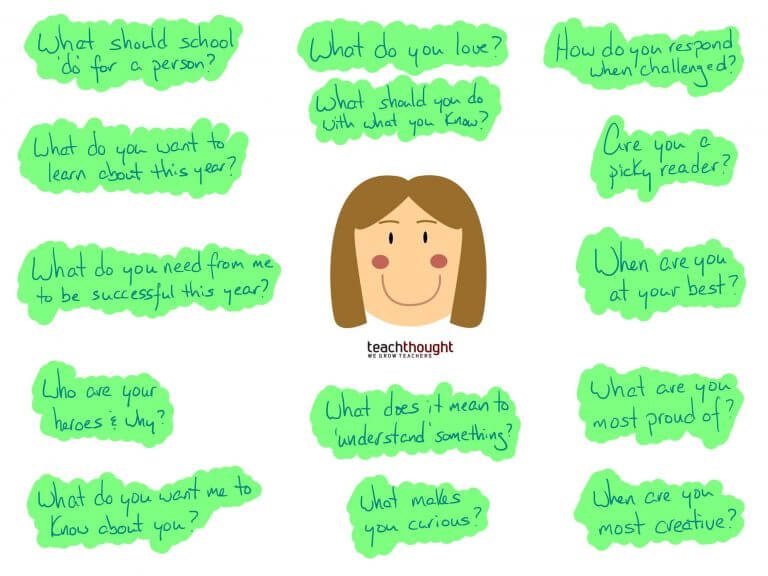
Here are 12 questions to ask students on the first day of school, including: “What do you need from me to be successful this year?”
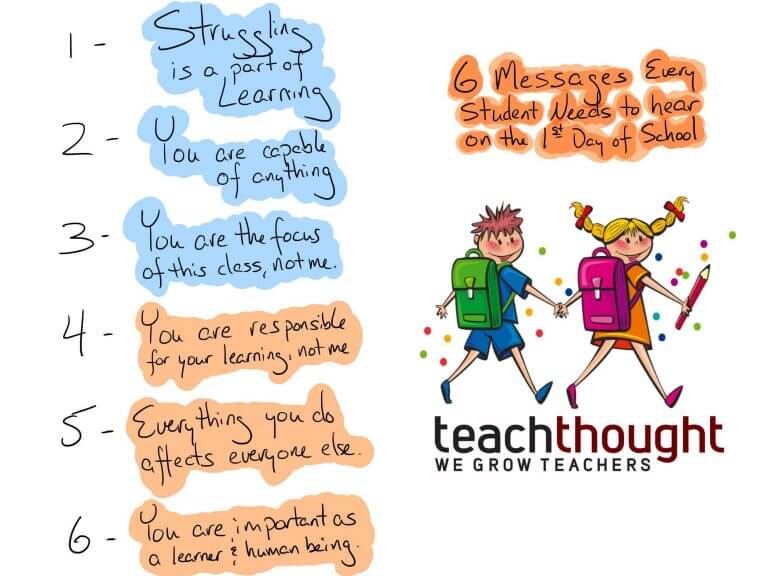
“Everything you do–good or ‘bad’–affects everyone else in the room. That means everything you do matters because you matter.”
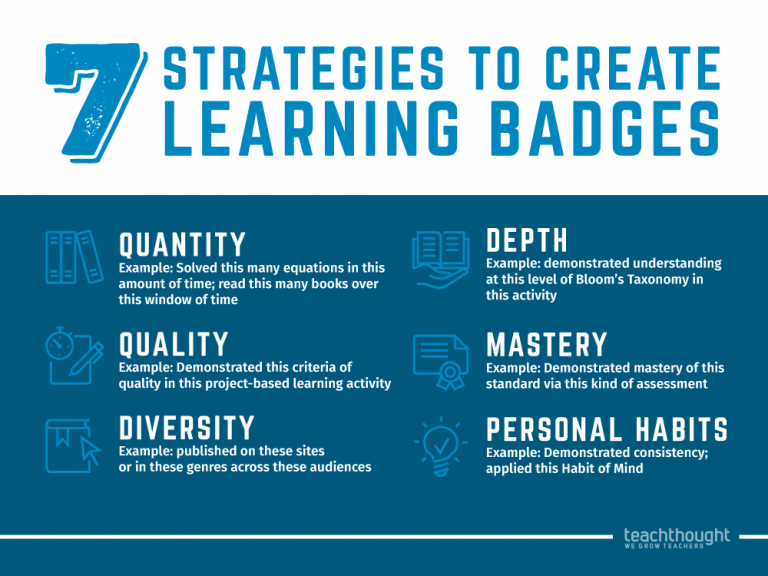
The effect of well-designed learning badges is a kind of encouragement mechanic that helps students see their own progress.
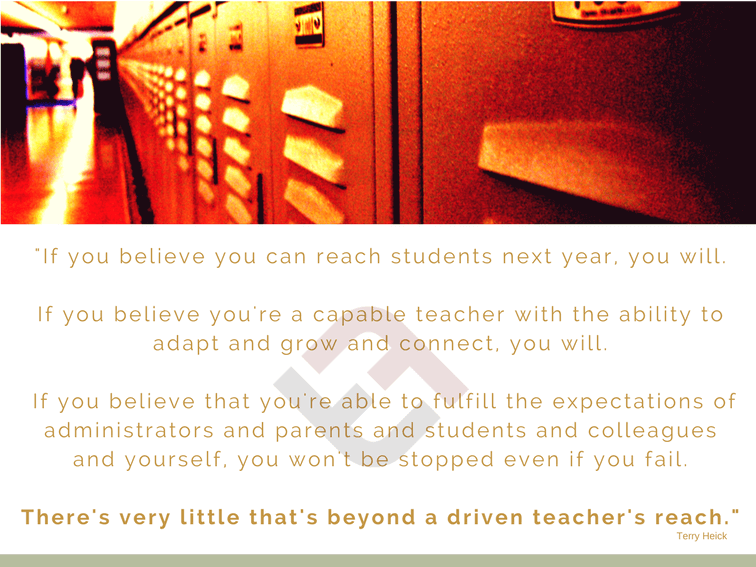
Ask yourself if teaching is good for you. Healthy. Sustainable. What you want to do and be. A lot has changed in education. A lot.

You can’t be a great doctor if you don’t serve patients–and it’s hard to be a great teacher if you don’t serve students and communities.
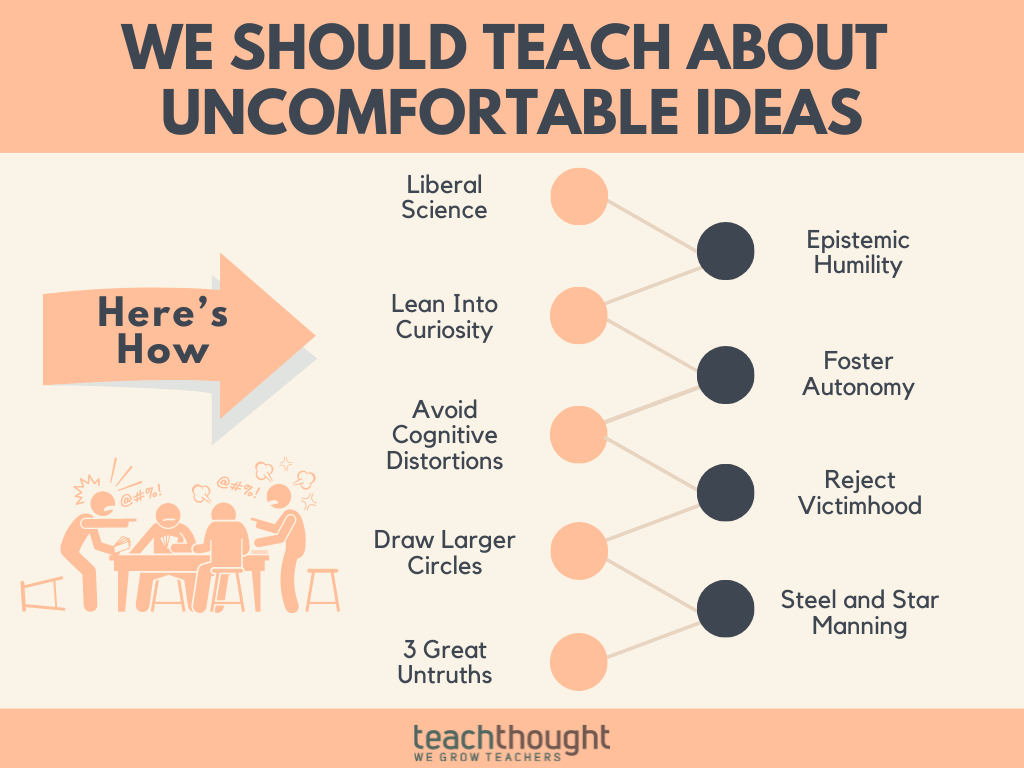
We can striving to remain true to the ideals of liberal science and the cascading norms of conversation using an inquiry stance.
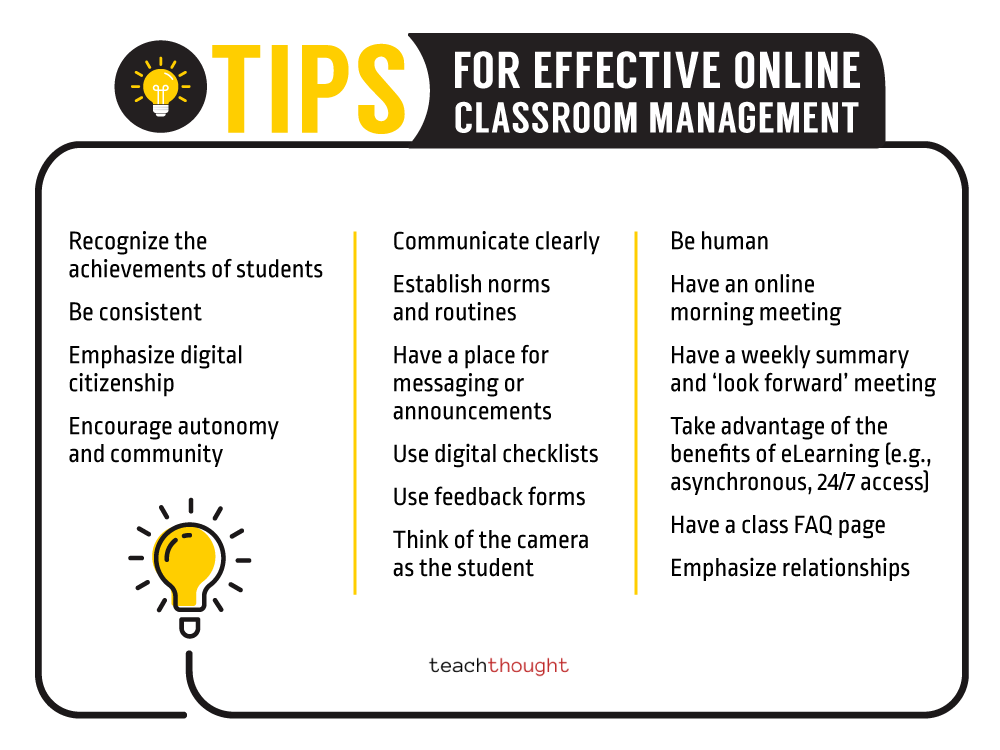
Effective online classroom management mirrors effective in-person management, both benefiting from norms, feedback, and routines.
How can you create a brain-friendly classroom? By reducing stress, creating positive associations, and promoting feedback loops.
What Are 3 Simple Strategies For Smarter Curriculum Mapping? by Terry Heick The school year isn’t a series of sprints, but the way you forge your curriculum can make it feel that way. The most common way of structuring how you teach is by first assembling standards into units, then those units into lessons. You…
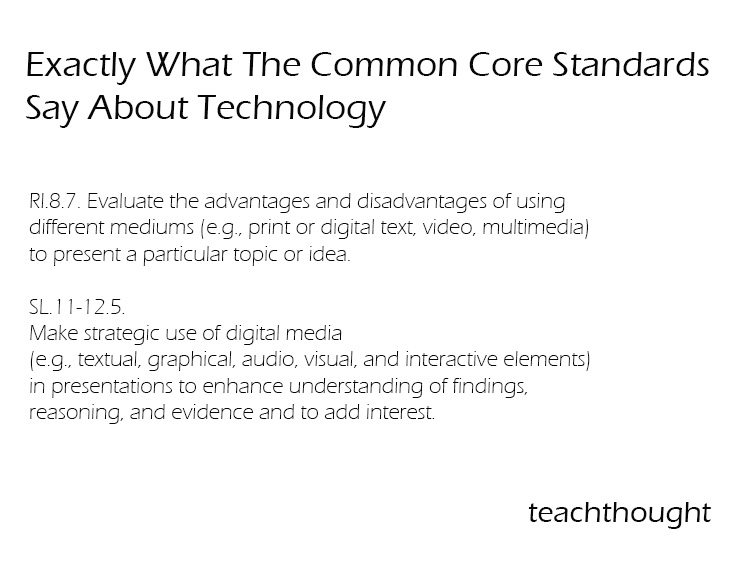
The standards don’t just suggest novel technology use as a way to ‘engage students’ but rather requires teachers to make complex decisions about that tech.