4 Phases Of Inquiry-Based Learning: A Guide For Teachers
After researching, this stage of the inquiry process is centered around students clarifying both their own thinking.

After researching, this stage of the inquiry process is centered around students clarifying both their own thinking.

From quick classroom projects to advanced productions, these editors cover K–20 needs.

We can address a deficit of critical thinking by embedding into the architecture of education. This can be accomplished in any number of ways.

Project-based learning tools help students move from ideas to finished products through research, collaboration, and authentic presentation of learning.

Piaget’s stages of cognitive development include the sensorimotor, preoperational, concrete operational, and formal operational stage.
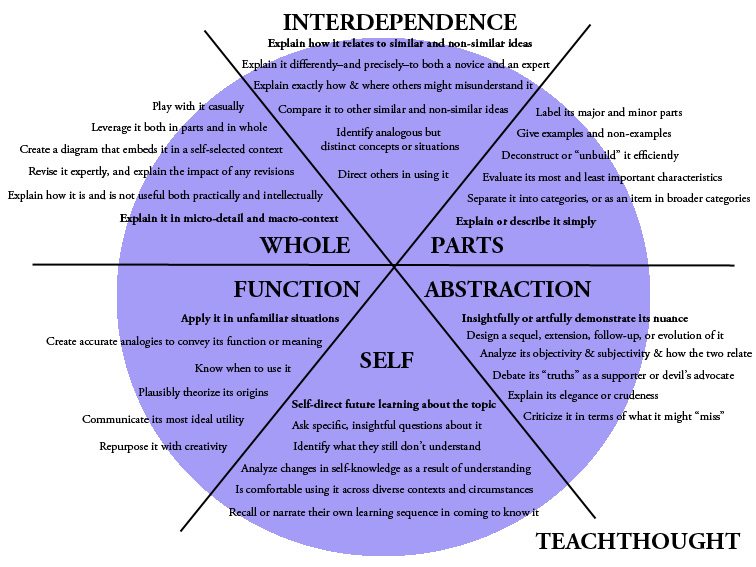
The Heick Learning Taxonomy can be used to guide planning, assessment, curriculum design, and self-directed learning.

Reading is personal but we often focus on the mechanics instead of the people and the strategies instead of the living and breathing happening around us.

Social-Emotional Teaching is every bit as important as Social-Emotional Learning. Teaching matters and teachers matter
Out of all of the ideas and circumstances and knowledge and information that you encounter on a daily basis, what’s worth understanding?

Teacher tools to create online assessments: Google Forms for quick quizzes, Socrative for live checks, and Edulastic for standards-aligned tests.
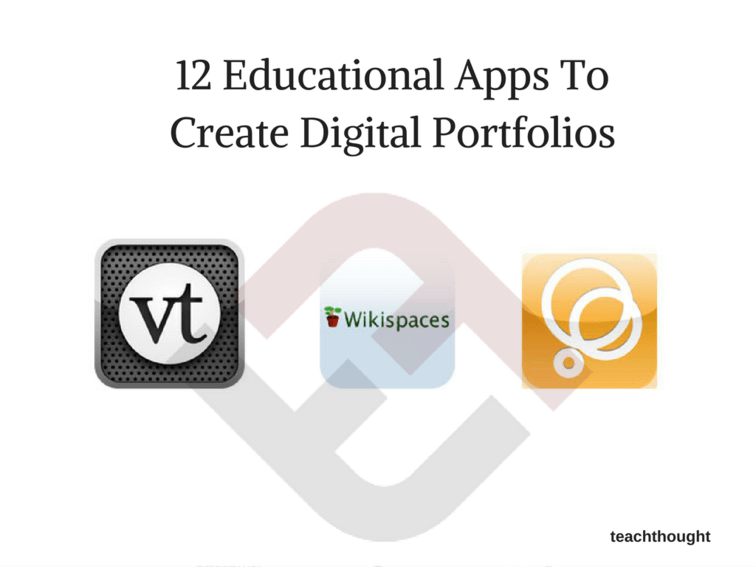
Digital portfolios are becoming increasingly popular in classrooms across the US — here are 8 educational apps to create digital portfolios.

Reading level measurements aren’t perfect and neither are the conversions but as a general guide, it’s a handy tool to keep around.

Online lessons allow learners to study early, late, or in shorter bursts as their (often busy) schedules allow.

Written by parents, CEOs, teachers, and admin, these best of the best education blogs stand out with their unique style & excellent content.