A Model For Teaching Critical Thinking
Like anything else in your classroom, promoting critical thinking skills is a matter of planning, priority, and practice.

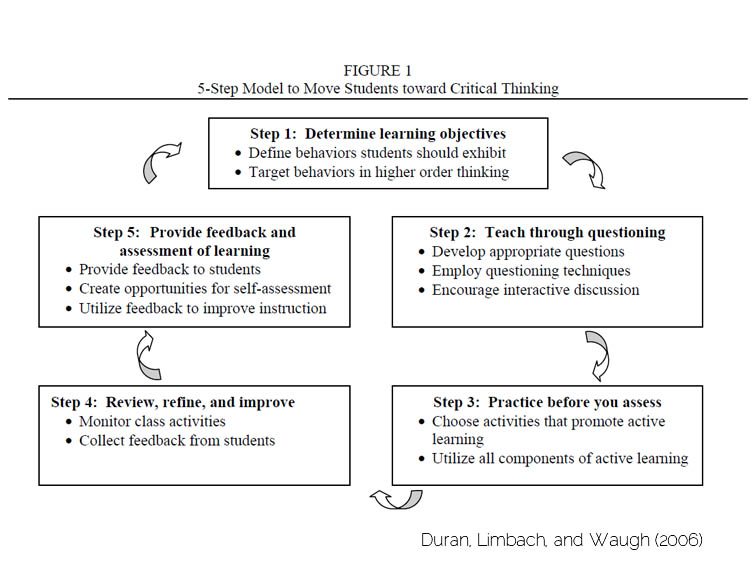
Like anything else in your classroom, promoting critical thinking skills is a matter of planning, priority, and practice.

The Most Significant Change of Common Core Adoption While debates around the Common Core State Standards have often focused on mathematics content and assessments, the most consequential shift has been structural: literacy became a cross-disciplinary responsibility rather than an English Language Arts (ELA) franchise. This reorientation—from siloed skills to shared, disciplinary literacy—altered curricular design, professional…
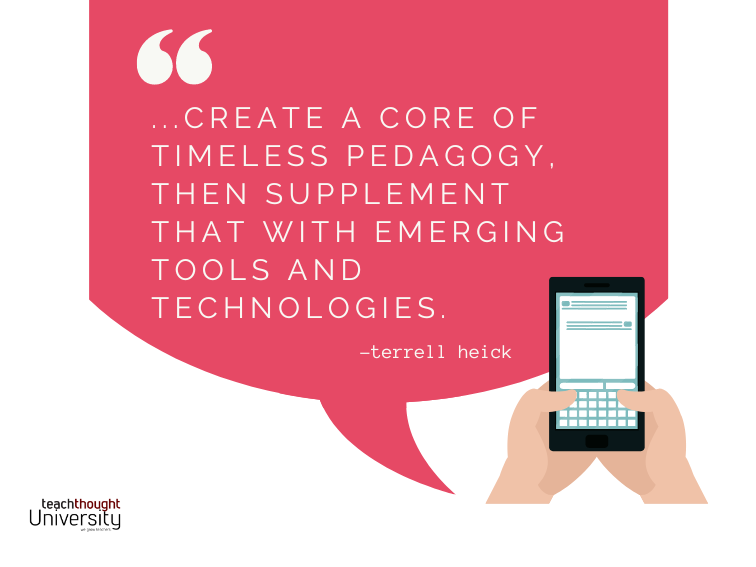
Be wary of new learning technology and create a core of timeless pedagogy whose function can benefit from those technologies.
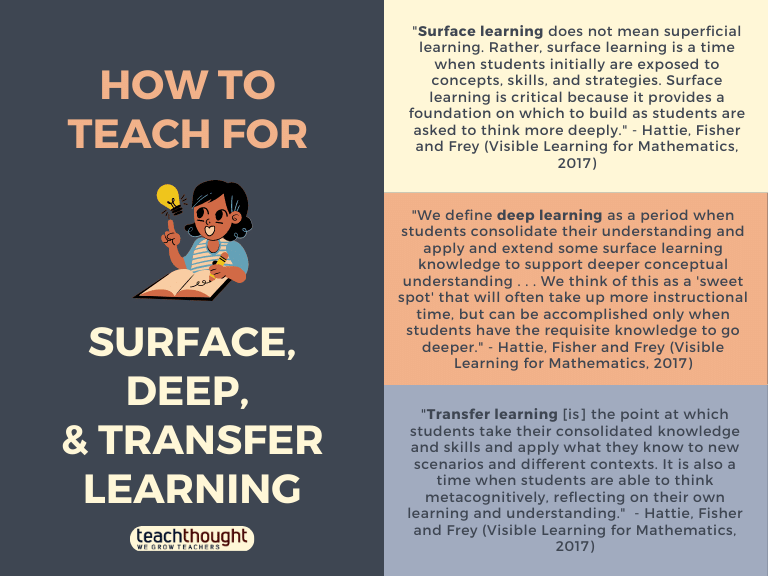
John Hattie’s body of work suggests that surface learning is the foundation for deeper learning, transfer learning is crucial for success in the real world, and deeper learning is facilitated through inquiry teaching.
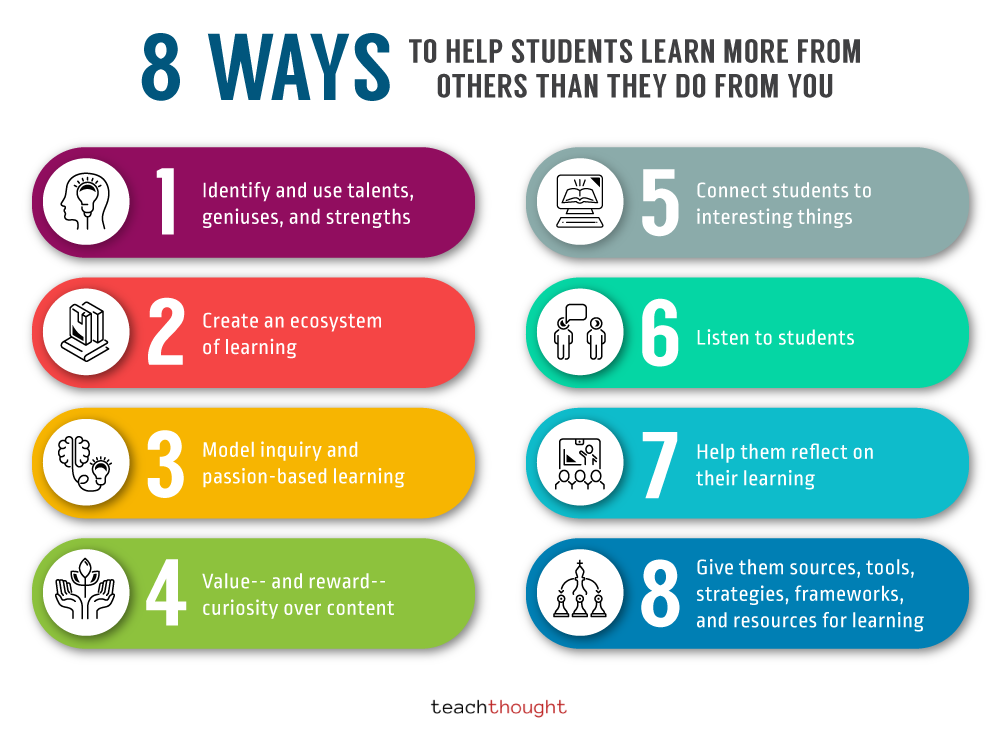
What/who is the most compelling, ongoing catalyst for helping students learn in your classroom? If it’s the teacher, you’re in trouble.
Every year there would be a new mandate from the district whose primary agenda was teacher ‘buy-in’ rather than ‘students living better today for a better tomorrow.
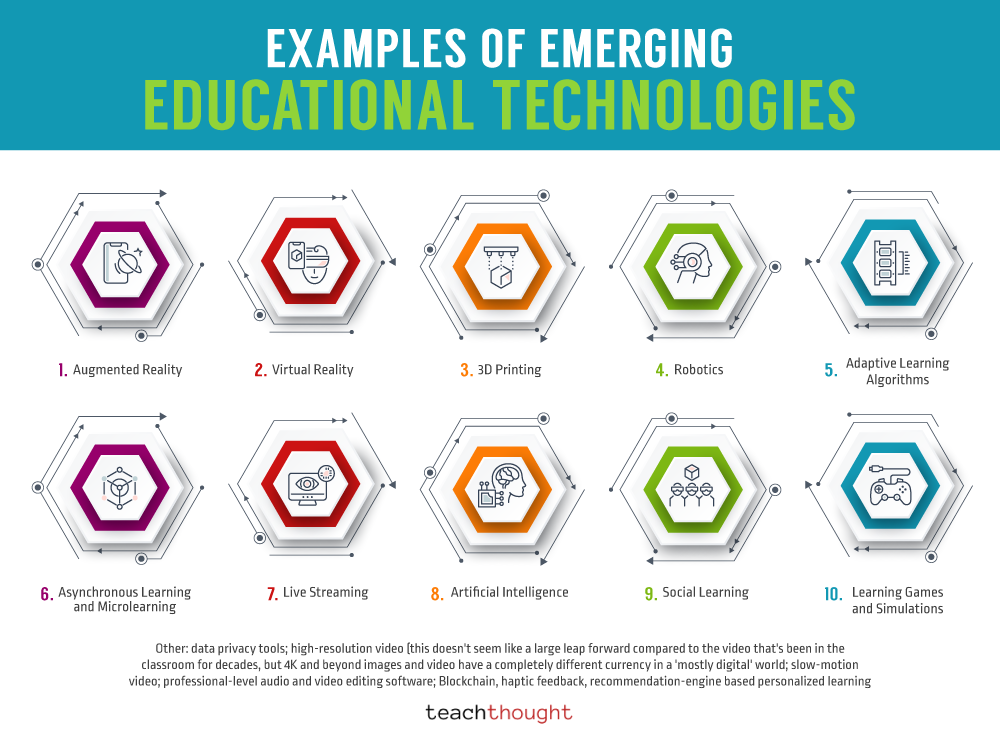
Most emerging educational technology will continue to radically reshape itself and thus continue ’emerging.’
Across the United States, a small but growing number of districts are quietly moving past traditional reform models.
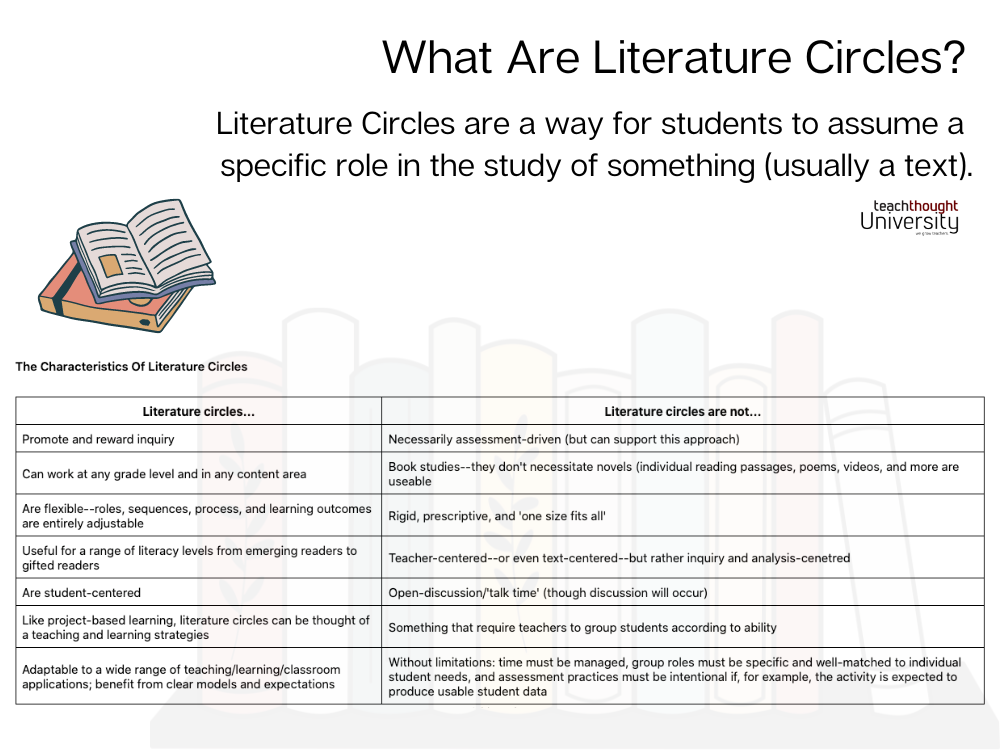
Literature Circles are a way for students to assume a specific role in the study of something (usually a text).
How can you create a brain-friendly classroom? By reducing stress, creating positive associations, and promoting feedback loops.
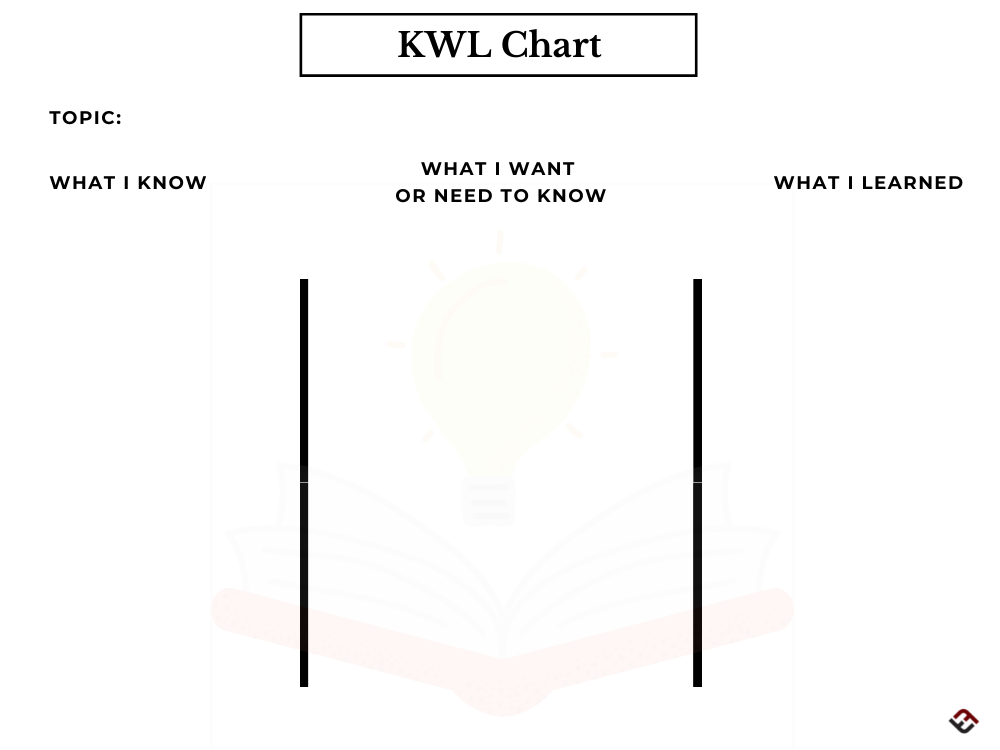
A KWL chart is a graphic organizers that students use before, during, and after learning to activate prior knowledge and reflect on learning.
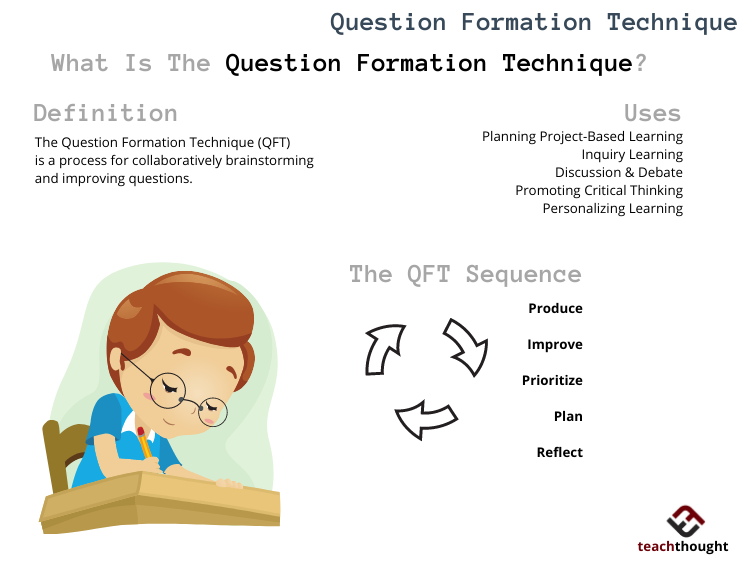
According to the creators, the question formulation technique helps build skills for lifelong learning, self-advocacy & democratic action.
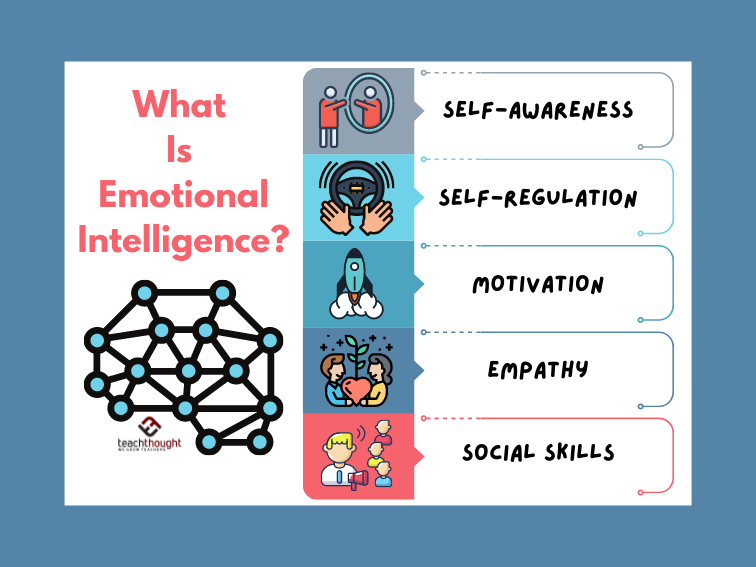
Emotional intelligence is a person’s capacity to manage their feelings in order to appropriately and accurately express them.
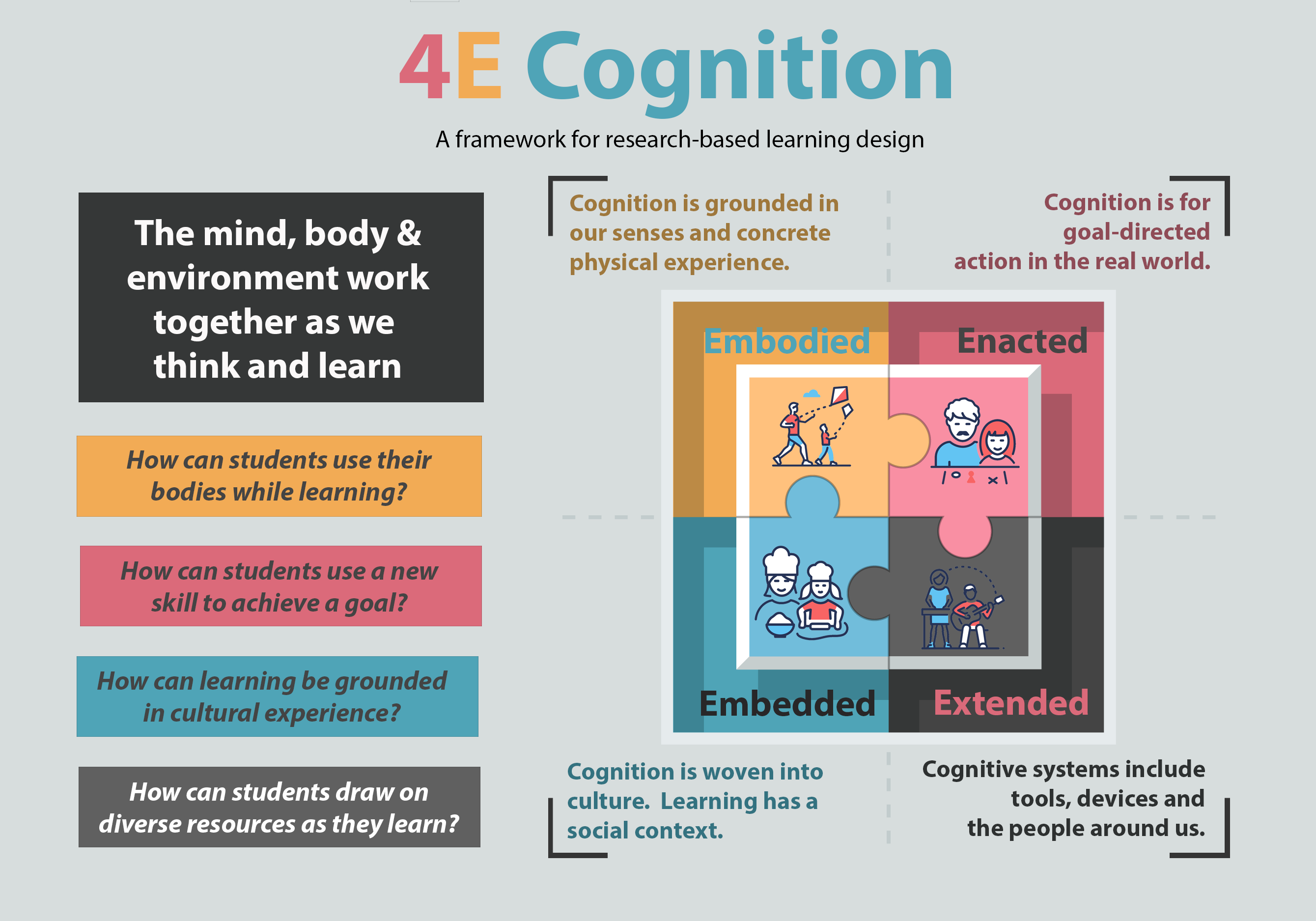
4E cognition: How might we design learning environments that lead to constructive interaction of mind, body, and environment?