3 Examples Of Game-Based Learning: Actual Stories From The Classroom
Here, colleagues share their experiences with incorporating game-based learning into instruction and reflecting upon the outcomes.

Here, colleagues share their experiences with incorporating game-based learning into instruction and reflecting upon the outcomes.
A learning journal is an ongoing collection of writing done for the purpose of learning rather than the purpose of demonstrating learning.
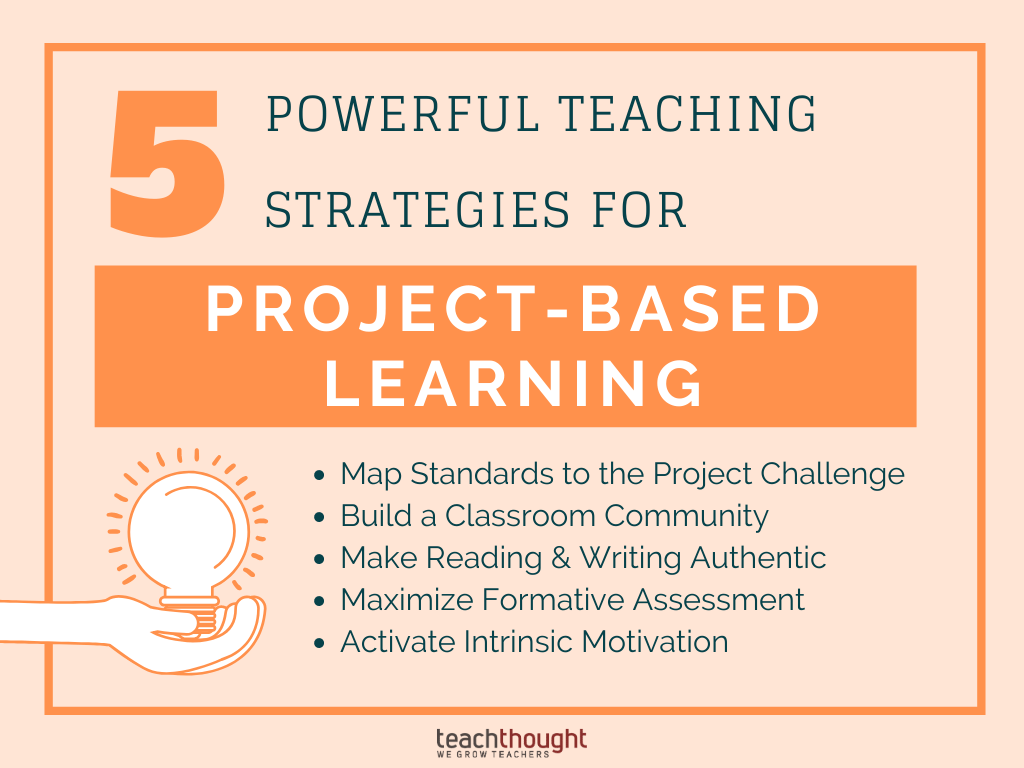
In project-based learning, passion and creativity are as critical to plan for as assessment and collaboration.
The top 5 challenges in 1-to-1 classrooms are unreliable technology, poor use of devices, babysitting, wastefulness, and top-down deployment.
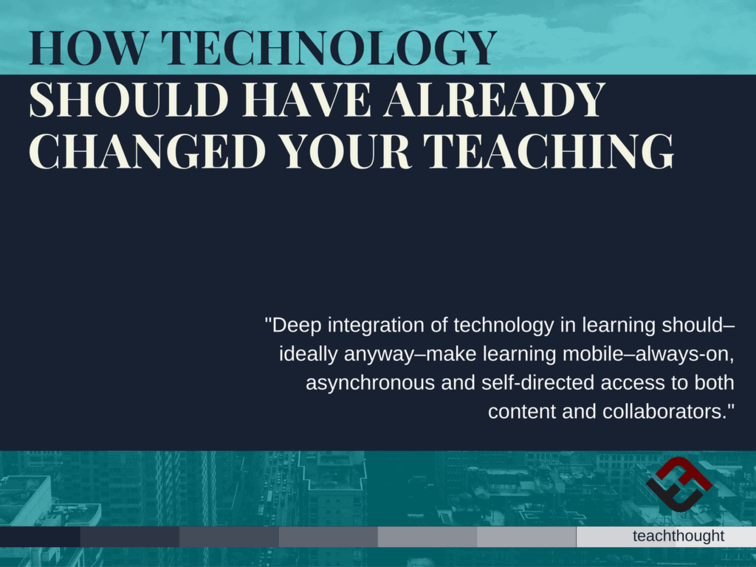
How Does Technology Change Teaching And Learning? by Terry Heick This post was originally published in 2014 and most recently updated in 2020 A little bit of technology doesn’t change much. It can make things a little easier by automating them. It could make a lesson here or there gee-wiz flashy, or even engage hesitant…
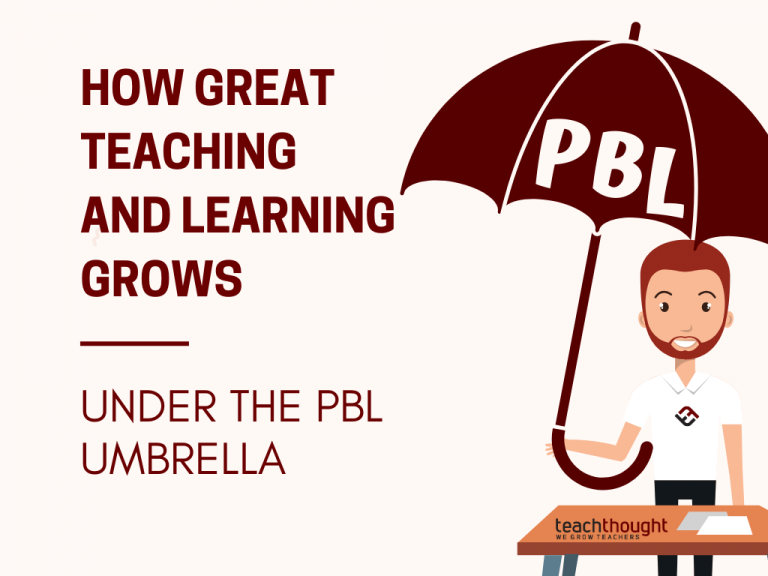
Growing Great Teaching And Learning Under The PBL Umbrella Framework contributed by Drew Perkins “You mean I have to throw out all the work that I’ve done to refine my teaching over the years?” Our PBL workshop facilitators hear this question, or something similar, with regularity and the answer is, NO! We certainly understand the nervousness…
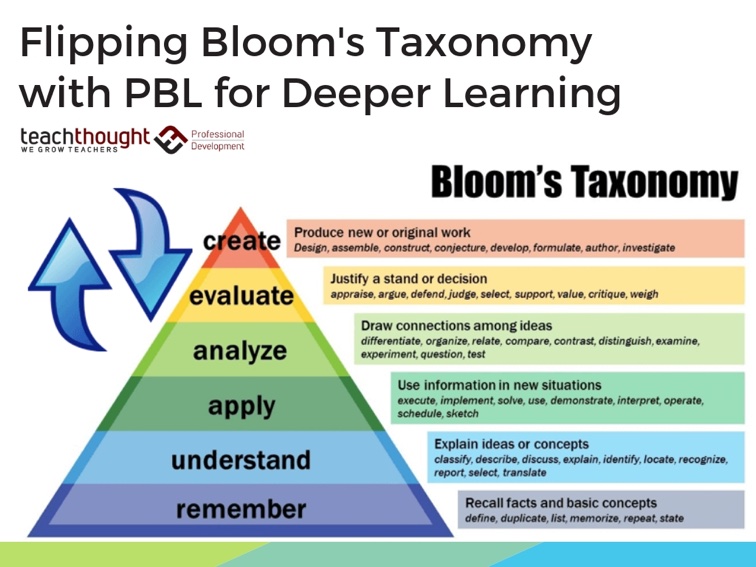
A central feature of high quality PBL is the pedagogical relationship between the Driving Question and the “Need to Knows” that stem from it.
Technology tools available to teachers can be overwhelming, but here are six simple ways to incorporate blended learning into the classroom.
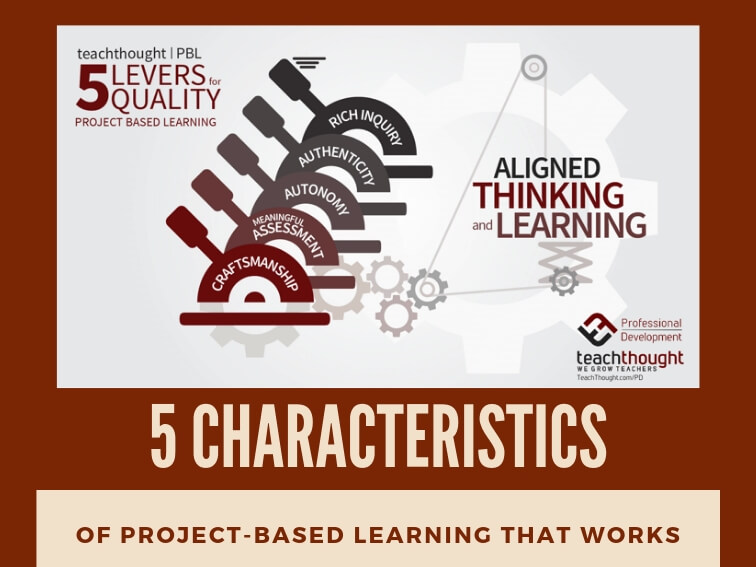
Aligned thinking, rich inquiry, authenticity, autonomy, and meaningful assessment are characteristics of project-based learning that works.
If You Want To Create A Fire For Inquiry, Start At The Beginning by Brian Cleary, oldbrainteacher.com If science is inquiry and inquiry is a fire, when does that fire start? When the world talks about STEM education for the most part they talk around elementary teachers rather than to elementary school teachers. This should not…
Teaching African American students starts with you. Through critical and parallel inquiry, you can help African American students find their own answers.
How To Plan For Open-Ended Learning by Grant Wiggins, Authentic Education Over the past few weeks I have received a few interesting queries on Twitter, and Labor Day weekend seems like a nice time to respond to them and reflect on the school year ahead. Two of the questions concern the relationship between inquiry and UbD: Q1: Do…
While we think in a linear way, learning is non-linear. Curriculum must center real-life problems & issues, vs. a linear set of competencies.
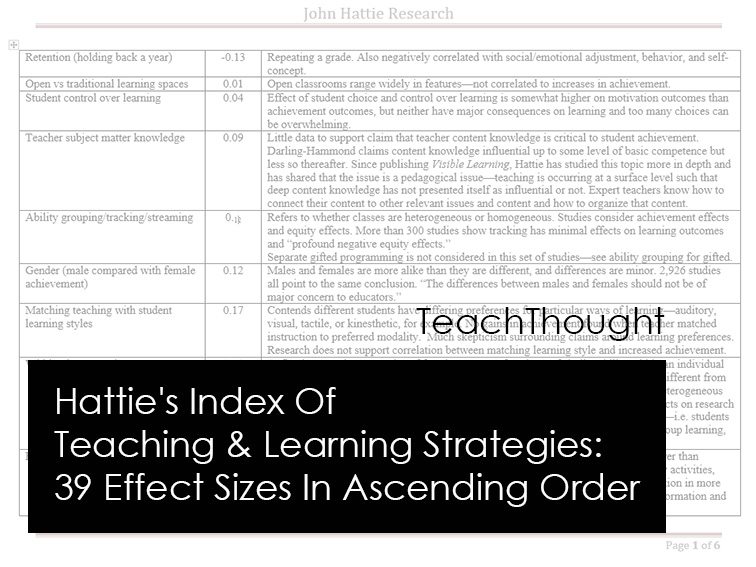
Hattie’s effect sizes in ascending order are not recommendations, but rather a comprehensive synthesis of a huge amount of data.