K-20 BYOD Policy: General Implementation [Updated for 2026]
BYOD in education (Bring Your Own Device), is caught on quickly, and while it has challenges, it also has possibility.

BYOD in education (Bring Your Own Device), is caught on quickly, and while it has challenges, it also has possibility.
When you let students bring unique devices into a once closed tech setting, chaos can ensue. Here are BYOD resources to help get you started.
BYOD (bring your own device) provides students not just with a device, but apps–and thus pathways–to solve problems.
There is no single way to implement a BYOT program, so we’ve included 11 widely varying policy styles in this post.

These 11 apps can be used in BYOD classes to keep the focus on content and publication, rather than digital fences that distract institutions.
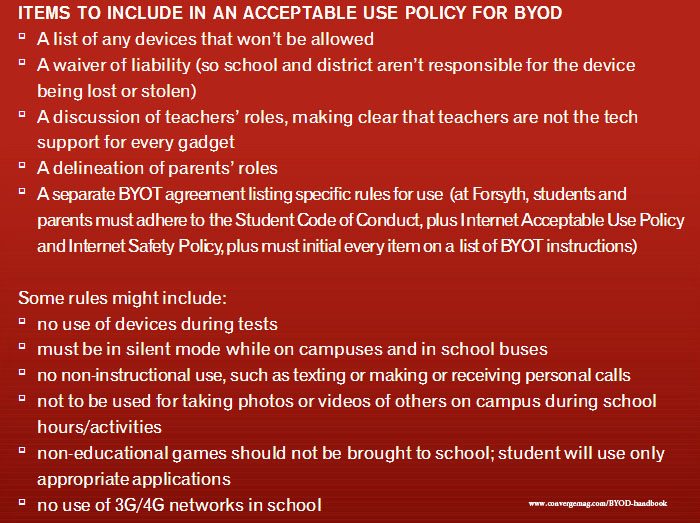
In this BYOT handbook by convergemag.com, you’ll find 10 checklists for creating–or simply checking–your BYOT plan.
Students can do so much with smartphones in the classroom. How can they truly help them work smarter, not harder?
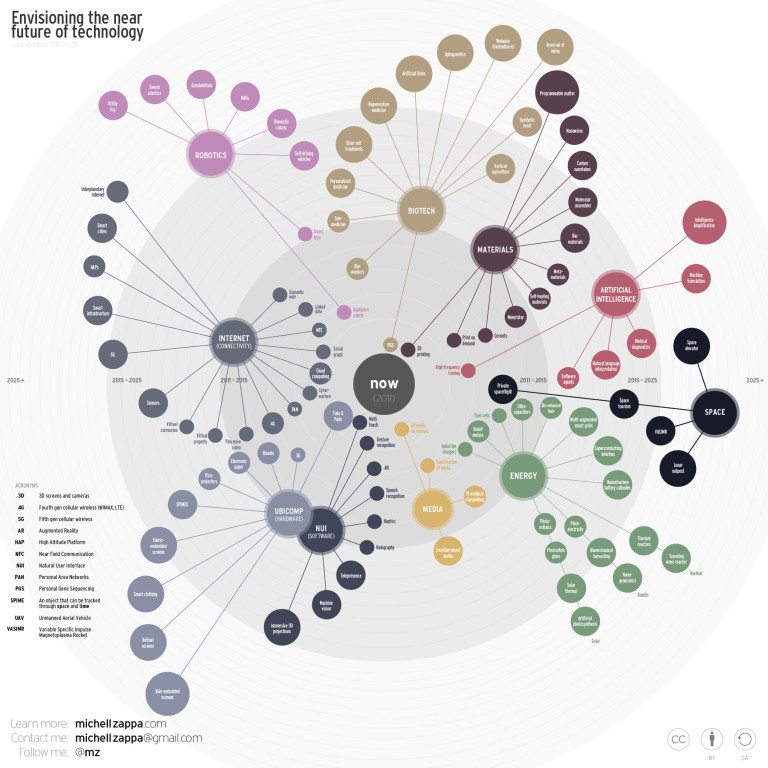
A BYOD device of the future will surprise us with unimaginable functionalities that lay far beyond mere extrapolation.
More schools and employers are permitting and even encouraging students and employees to bring their own technology resources to work.
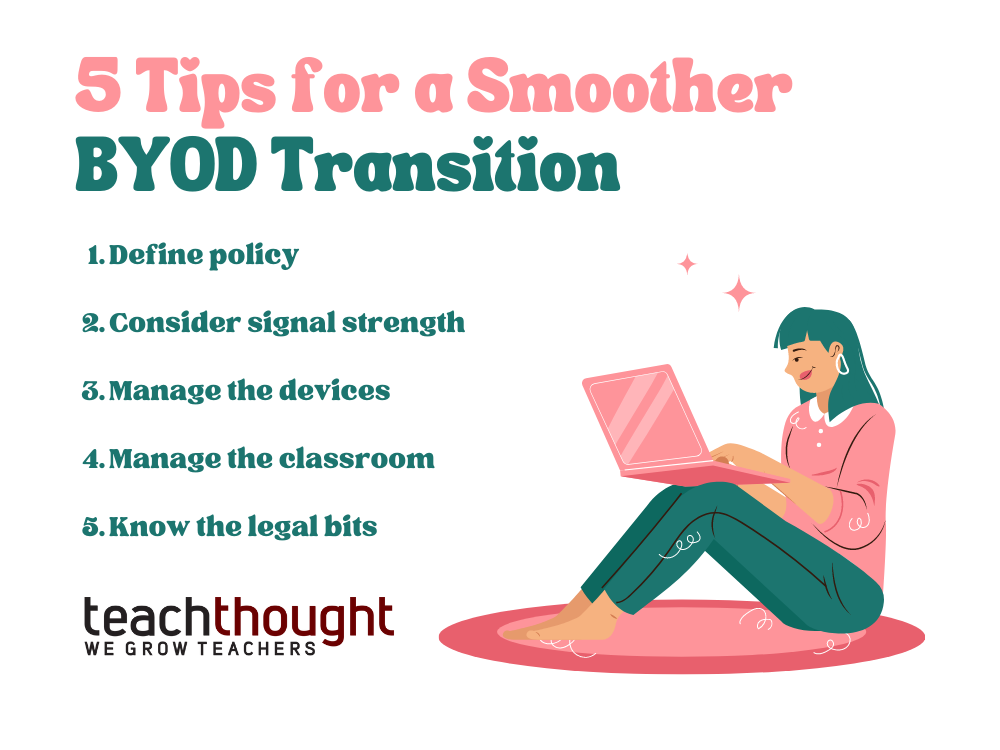
In making a BYOD transition, consider defining policies, growing client densities, managing devices, and understanding impacts.