8 Learning Domains Of Modern Critical Pedagogy
How has teaching changed? What is 21st century pedagogy? Key elements include analytics, personalization, place, and perspective.

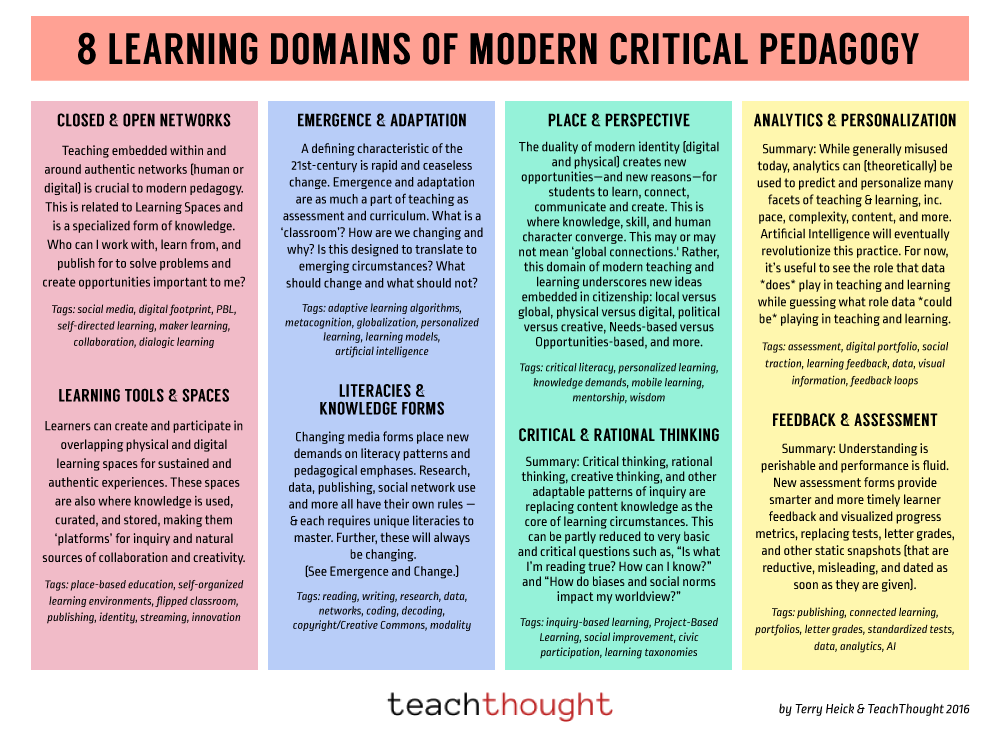
How has teaching changed? What is 21st century pedagogy? Key elements include analytics, personalization, place, and perspective.
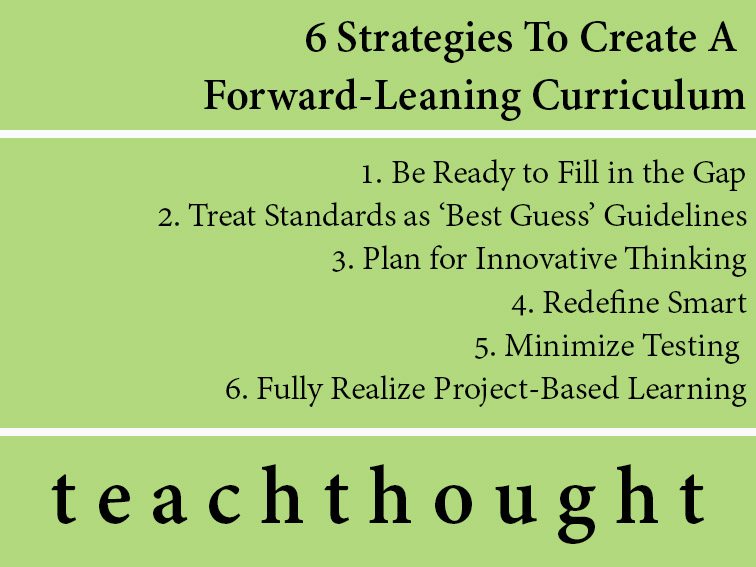
How do you create a forward-leaning curriculum? Situate non-judgment, openness, and empathy as the true keys to 21st century competency.
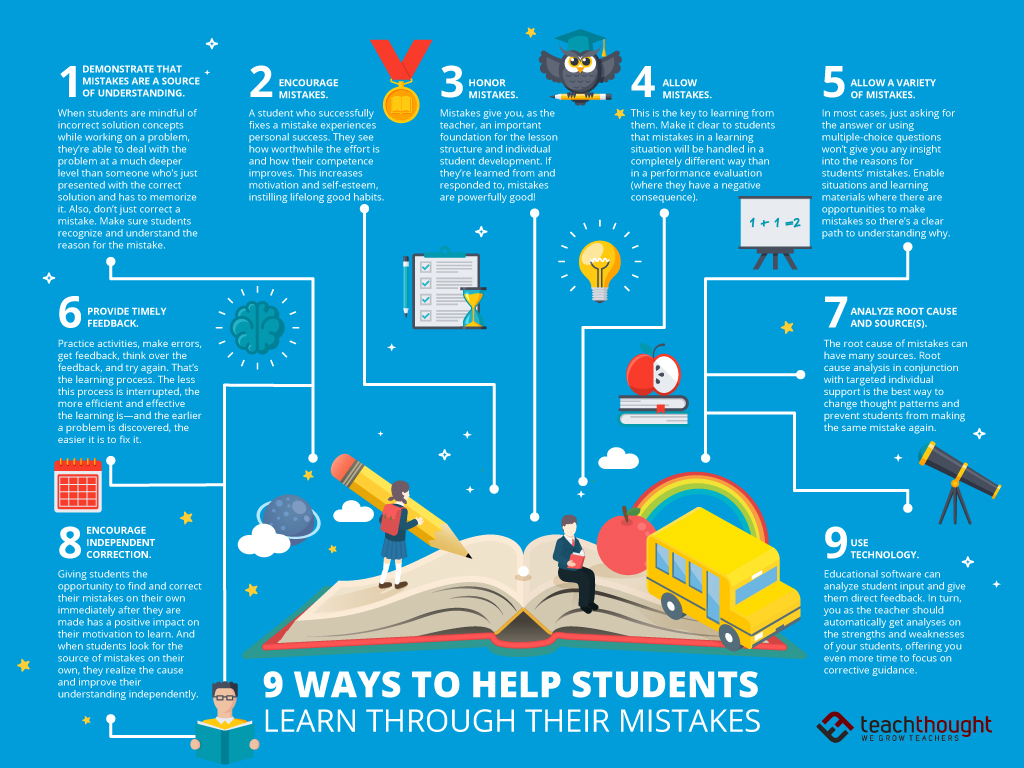
There are different kinds of mistakes: careless mistakes, systematic mistakes, misconceptions, etc. Students need help understanding this.

Give me a curriculum based on people–based on their habits and thinking patterns in their native places and a genuine need to understand.
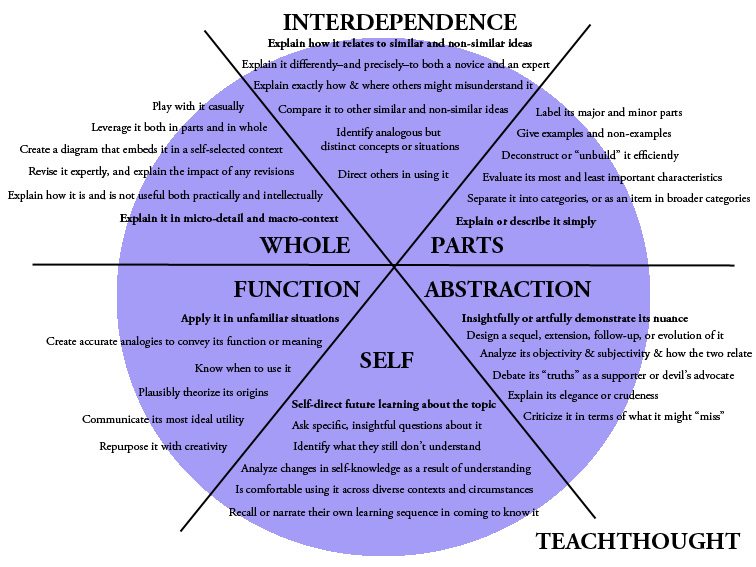
A good question can open minds, shift paradigms, and force the uncomfortable but transformational cognitive dissonance that can help create thinkers.
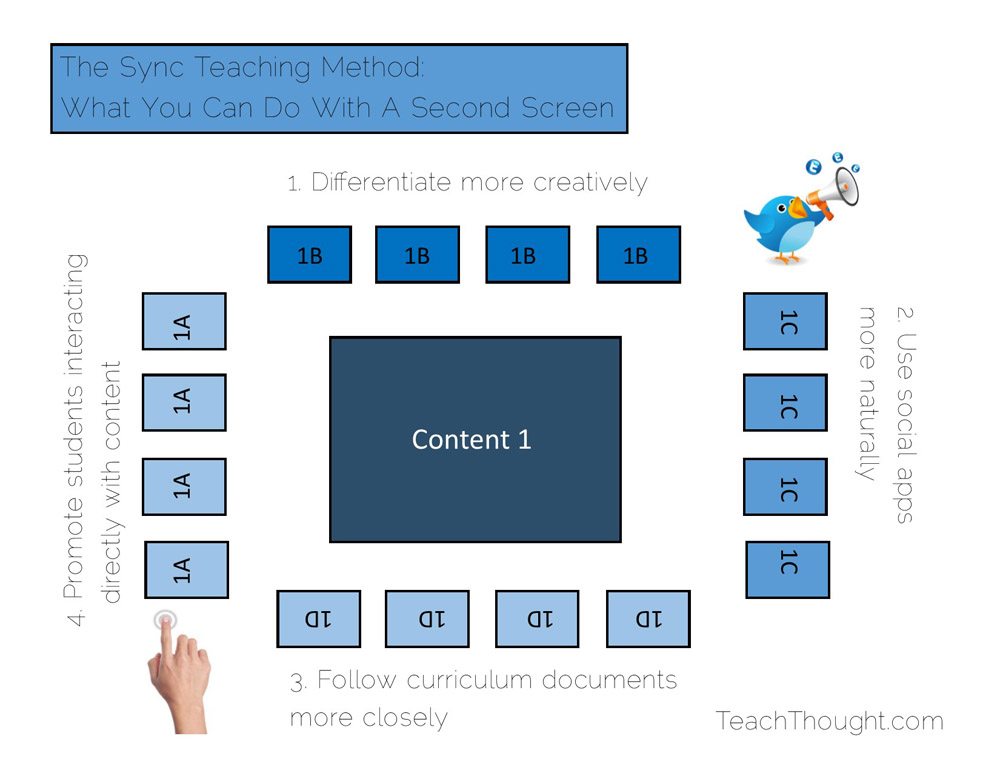
Second screen learning provides access to personalized content while the teacher guides the lesson. This is the Sync Teaching Method.
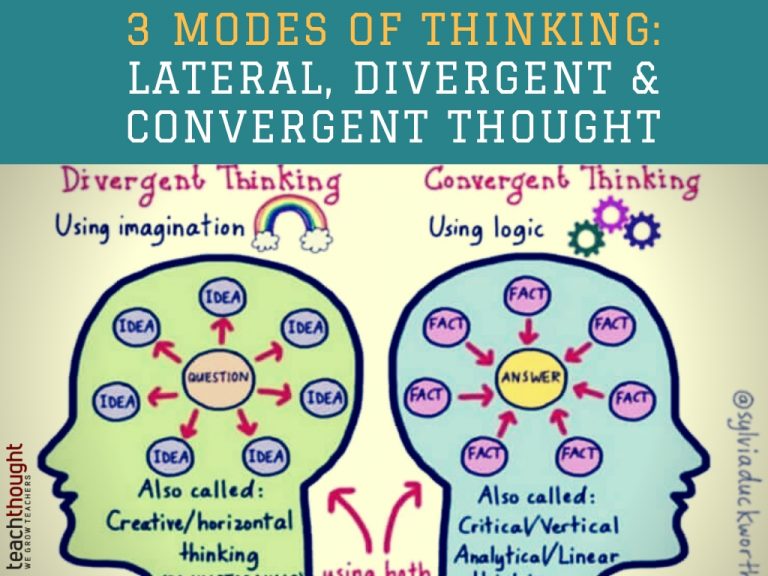
Lateral thinking solves problems via a creative approach involving ideas that may not be obtainable by using traditional step-by-step logic.
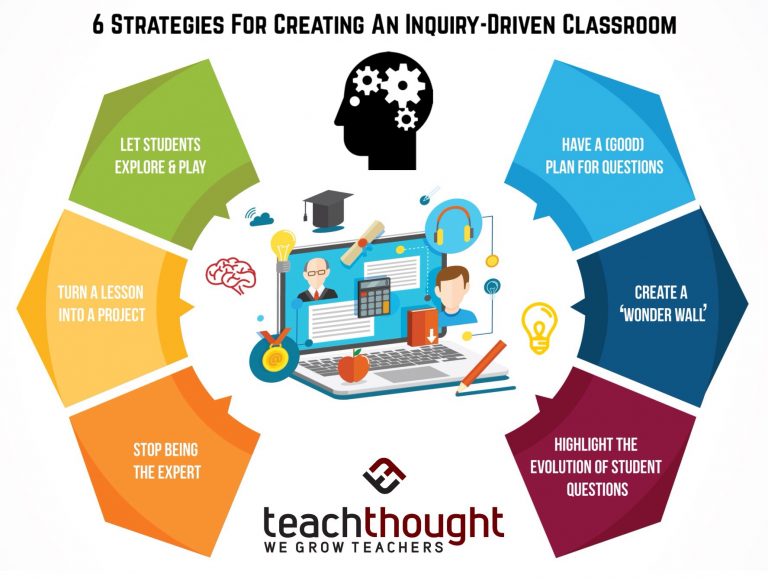
Curiosity is a powerful catalyst for learning and using inquiry-based learning can leverage potential. Here are 6 strategies for your classroom.
Rethinking grading in project-based learning can support students by clarifying complexity and rewarding nuance of understanding.
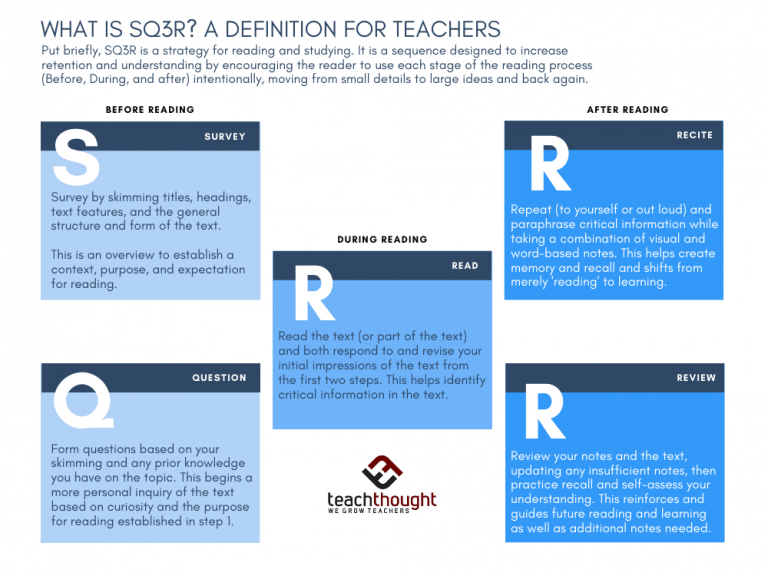
SQ3R stands for Survey, Question, Read, Recite, and Review. It is a study strategy for students designed to increase engagement and retention of a text.

A good school decenters itself–makes its curriculum, policies, and other ‘pieces’ less visible than students and hope and growth.
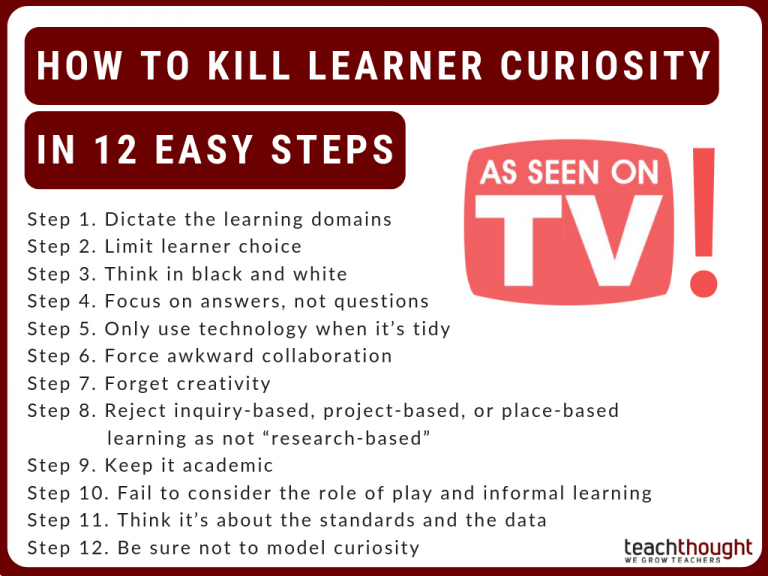
Killing a learner’s natural curiosity doesn’t happen overnight. It can take as long as 12 years, and in rare cases that isn’t long enough.
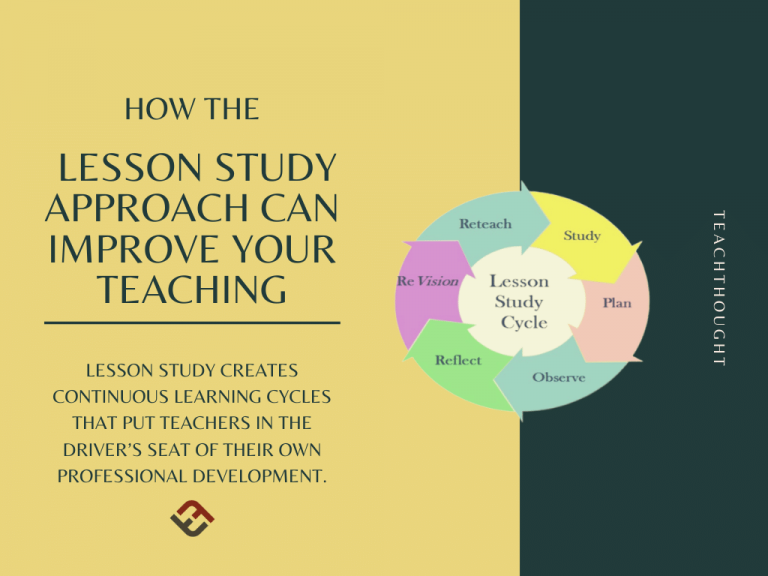
Lesson study is not about discovering the one right way to teach a lesson but about building knowledge of many teaching models and strategies.

To get the best work from a student, they need to create their own standards for quality academic work–ideally alongside you, as a teacher.