Why So Many Students Think They Dislike Reading
Reading is personal but we often focus on the mechanics instead of the people and the strategies instead of the living and breathing happening around us.

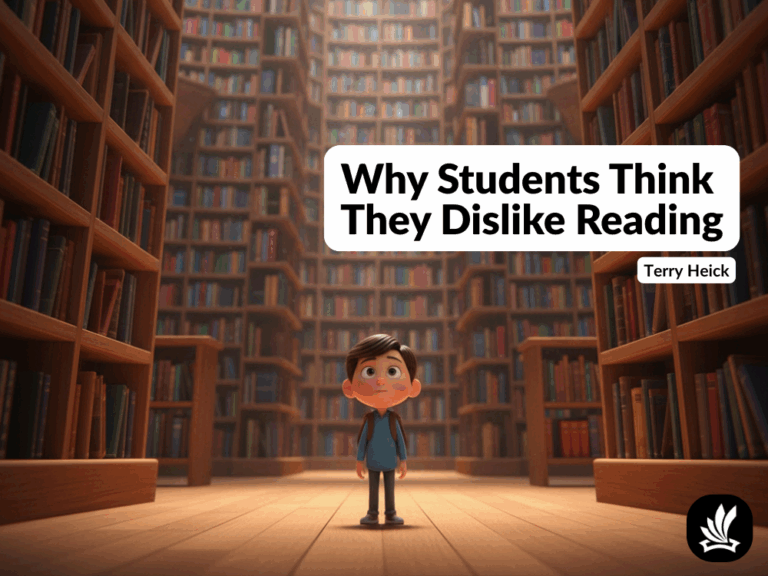
Reading is personal but we often focus on the mechanics instead of the people and the strategies instead of the living and breathing happening around us.
Social-Emotional Teaching is every bit as important as Social-Emotional Learning. Teaching matters and teachers matter
Out of all of the ideas and circumstances and knowledge and information that you encounter on a daily basis, what’s worth understanding?
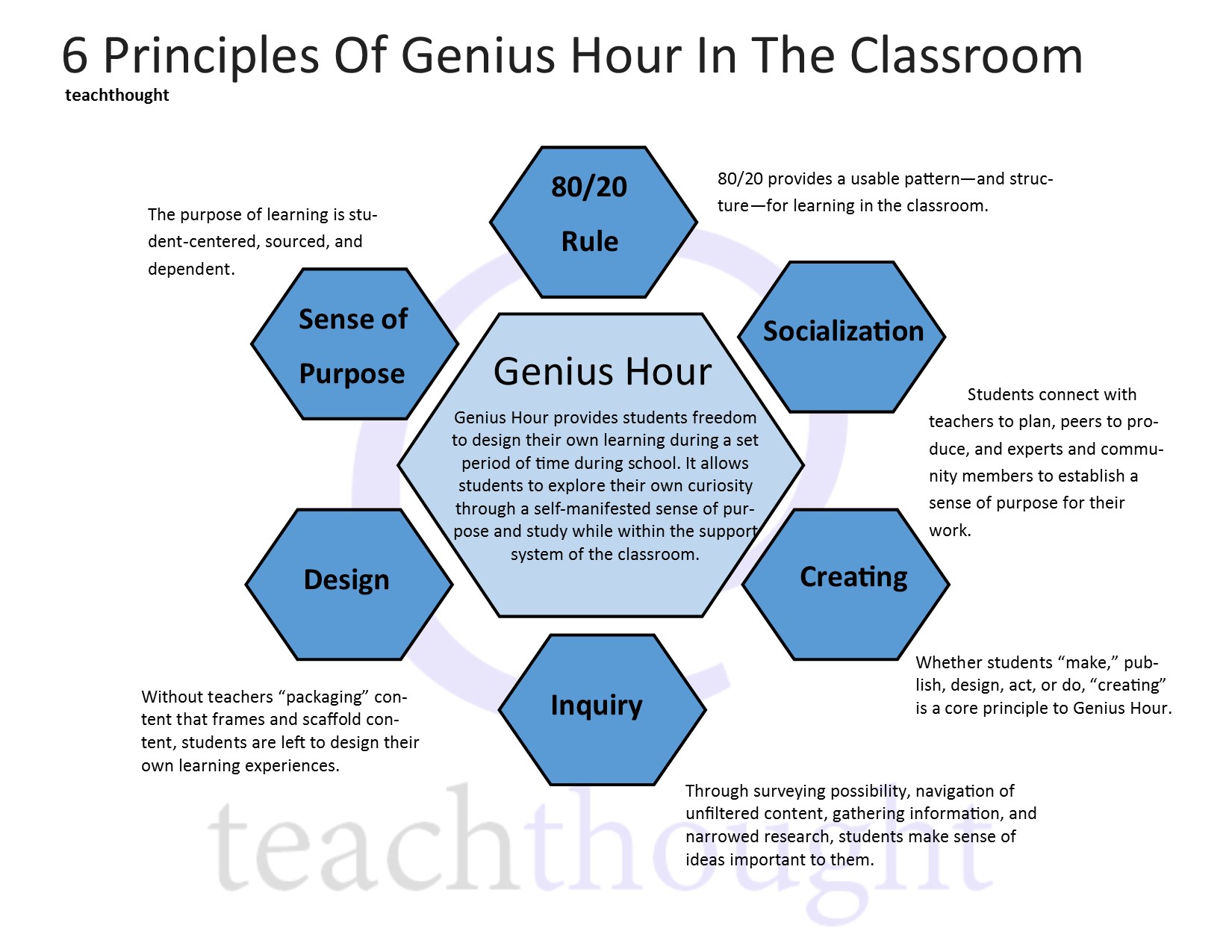
Genius Hour in the classroom is driven by curiosity. Critical principles include inquiry, purpose, socialization, and design.
Our task? Overcome a child’s natural tendency to play, rebel, and self-direct in hopes of providing them with an ‘education.’
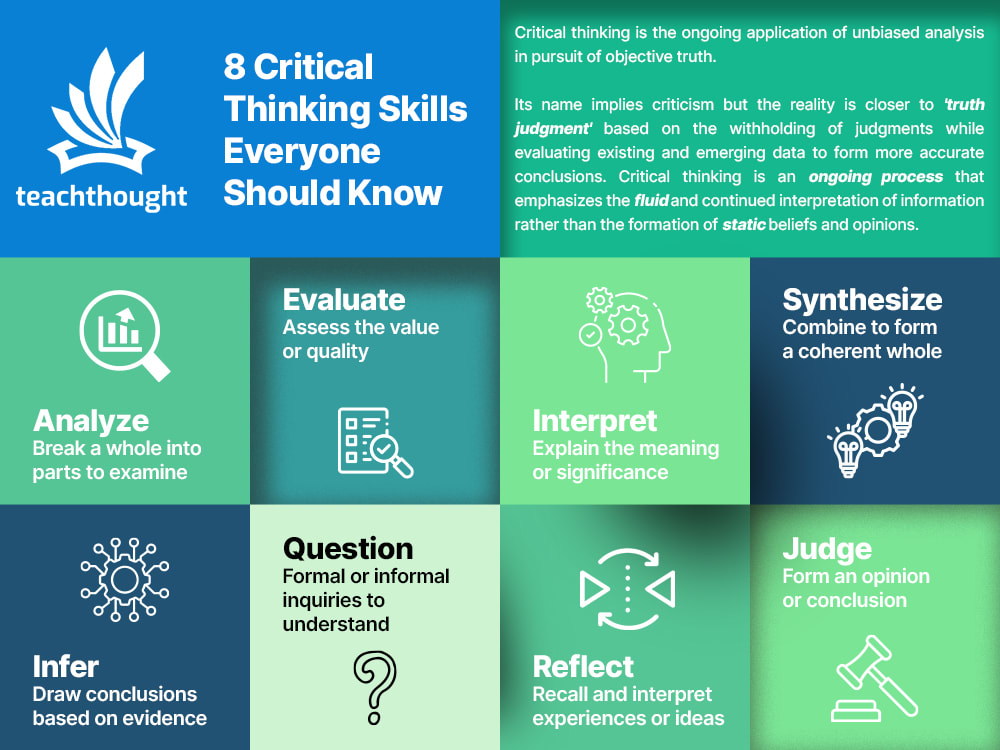
The most important critical thinking skills include analysis, synthesis, interpretation, inferencing, and judgement.
Grading problems still surfaced, but with a system in place, it was easier to identify what went wrong and communicate why to students.
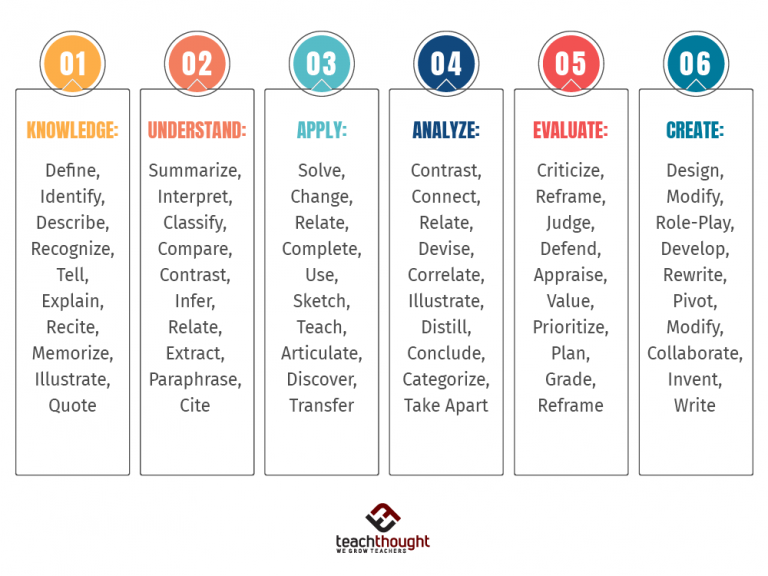
Discover 100+ Bloom’s Taxonomy verbs, organized by cognitive level, to write objectives, design assessments, and strengthen critical thinking in any subject.
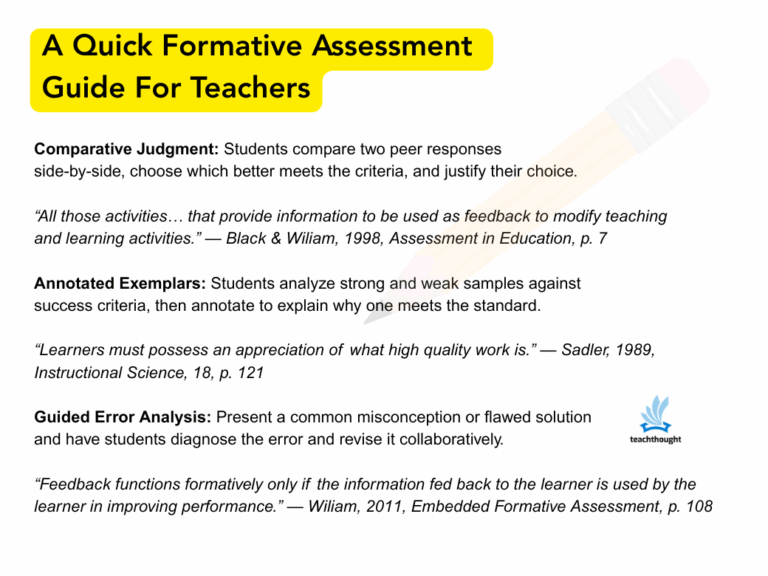
A guide for Formative Assessment: A clear definition, classroom strategies, benefits for using it in the classroom.
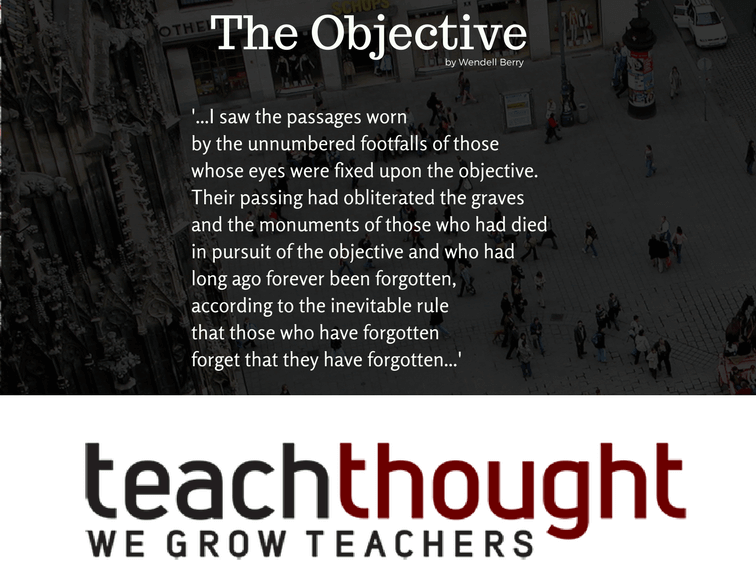
“I prayed what I saw was only fear & no foretelling, for I saw the last known landscape destroyed for the sake of objective…”
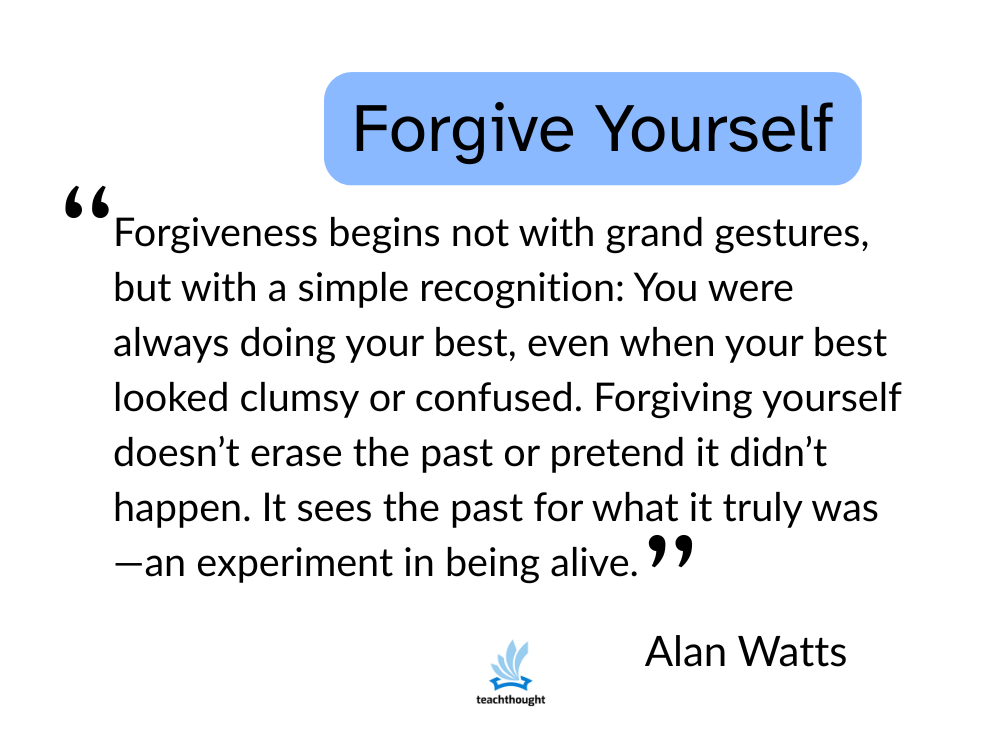
“Compassion for yourself is letting the stones fall and seeing that you are no longer the one who stumbled — you are the one who learned.”
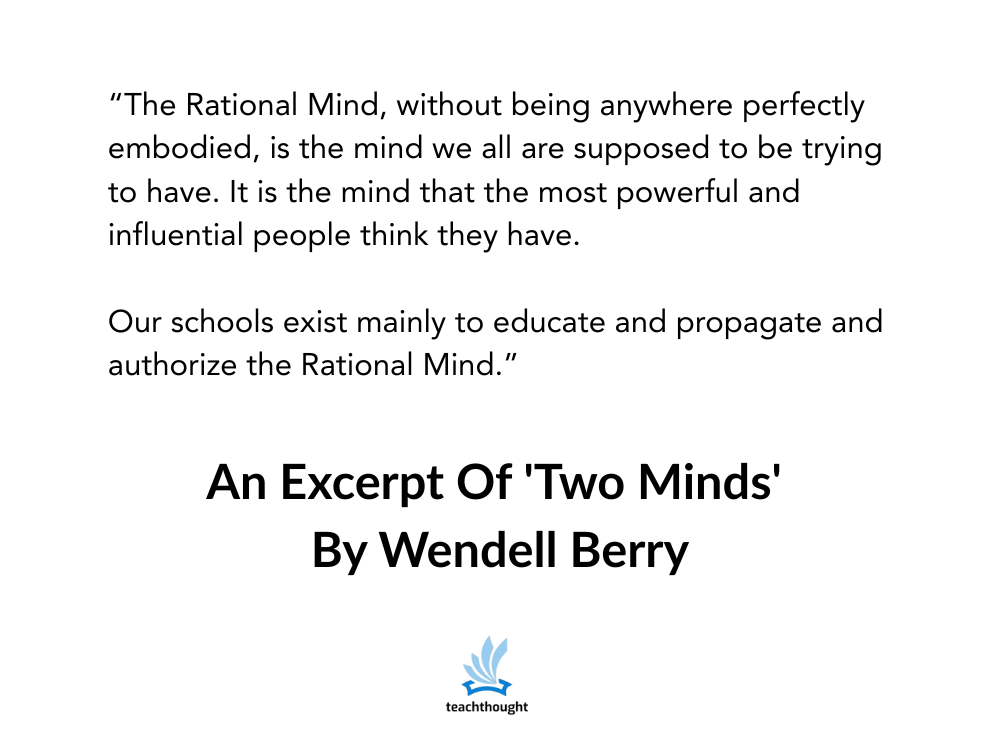
“Obviously we need to use our intelligence. But how much intelligence have we got?”
The purpose of curriculum is to provide a mutual language to organize and communicate knowledge–and students inherit its implications.
Critical thinking is certainly a ‘skill’ but when possessed as a mindset–a playful and humble willingness–it shifts from a labor to an art.