Exactly How To Teach With Video Games In The Classroom
Video games are increasingly used to confront social and cultural issues that are otherwise problematic to address with a raging troll-fest.

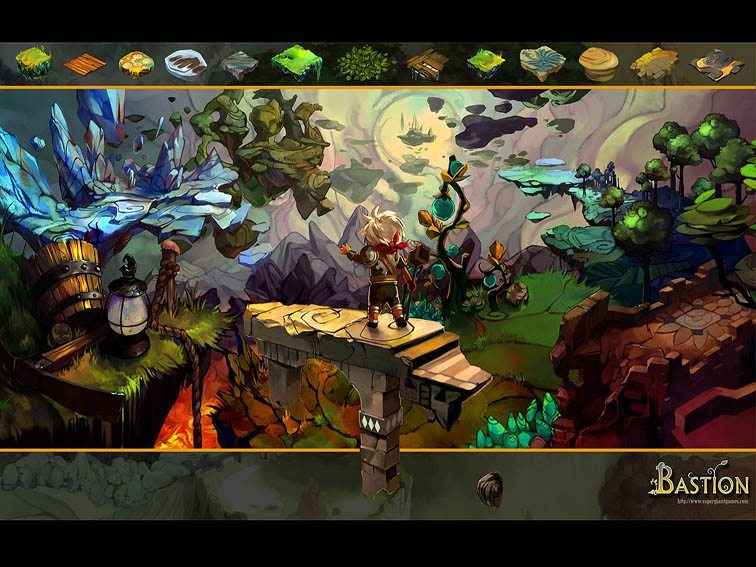
Video games are increasingly used to confront social and cultural issues that are otherwise problematic to address with a raging troll-fest.
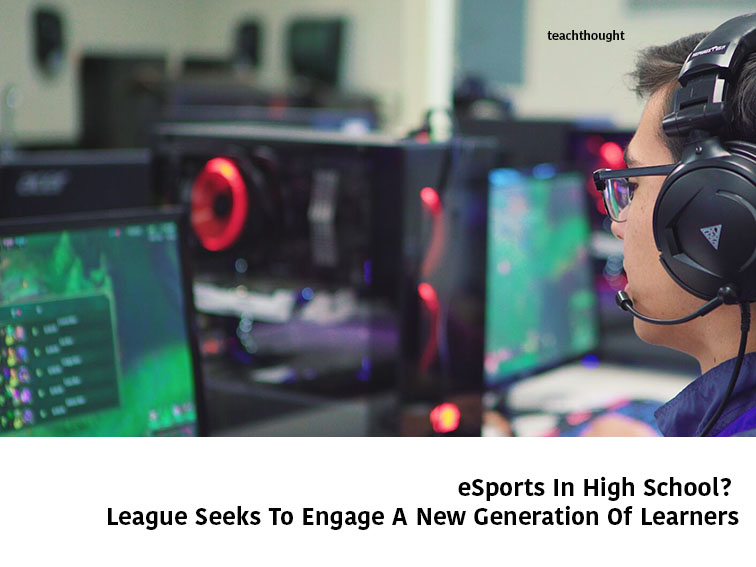
eSports competition is facilitated through organized, multiplayer online video game competitions.
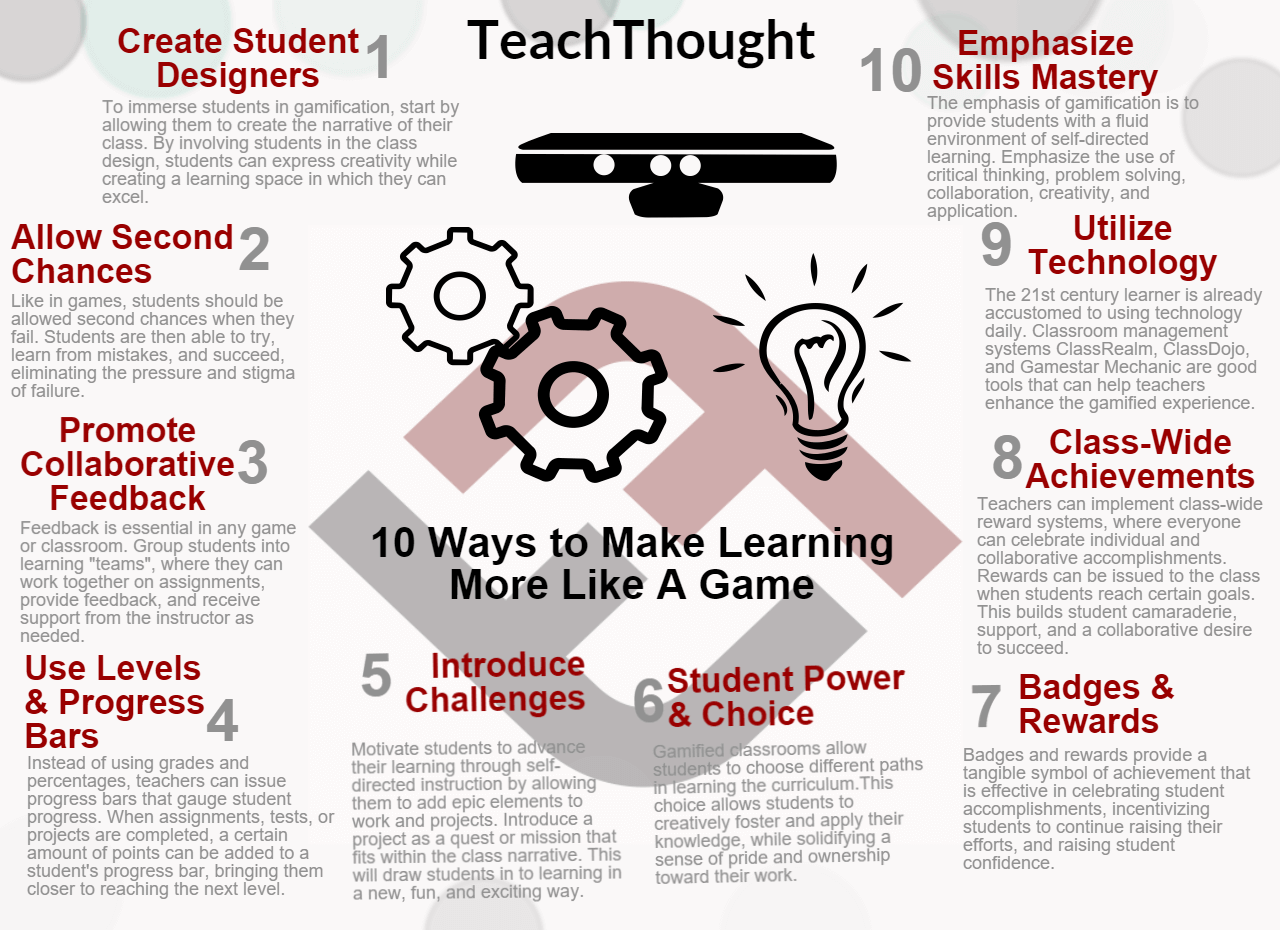
From using levels and and progress bars to badges and rewards, here are ten strategies to make learning feel more like a game.
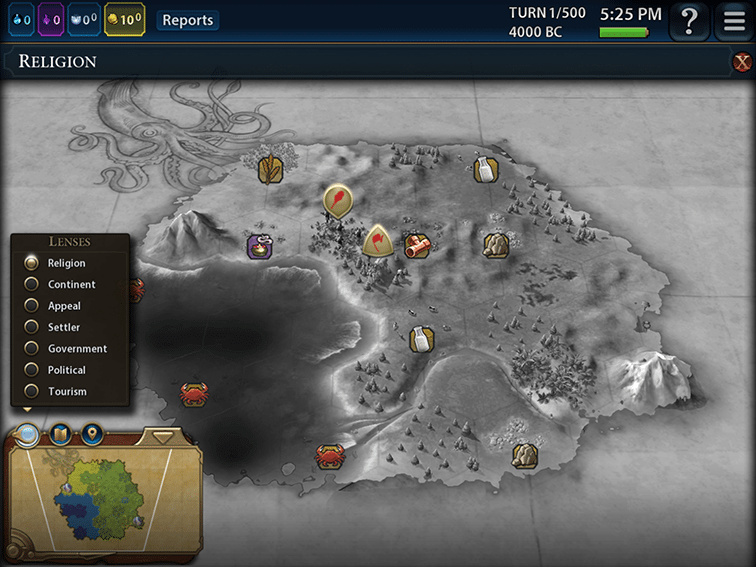
At TeachThought, we love learning through video games, and Civilization VI is one of our favorite games to learn with and through.
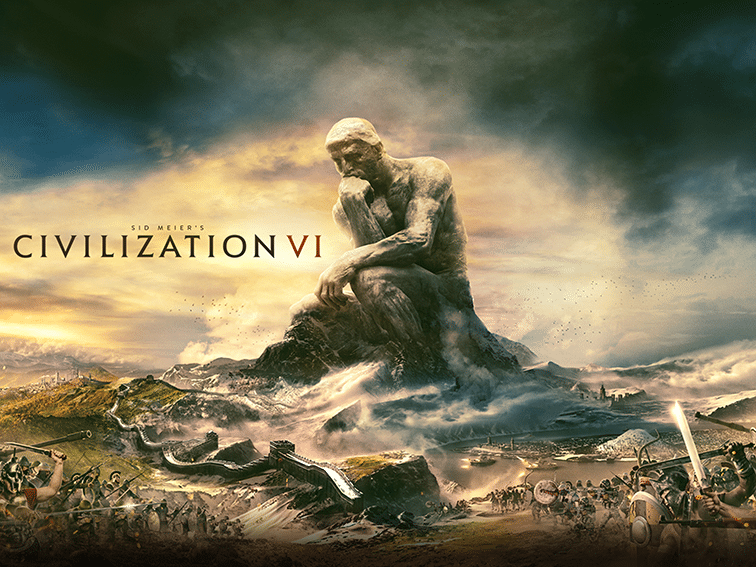
We’re blown away by Civilization VI’s complexity, scale, and potential as a tool for teaching social studies.

In short, a backwards-compatible game is a game from a previous version of a video game console that is also playable on later version.
Here, colleagues share their experiences with incorporating game-based learning into instruction and reflecting upon the outcomes.

The purpose of this interest inventory is to help children at the elementary age express themselves by itemizing their favorite things.
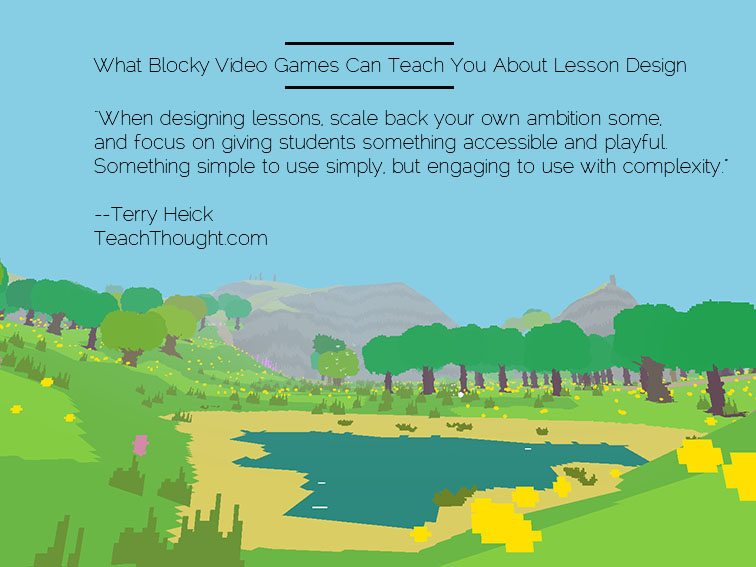
In your lesson design, give students something accessible. Playful. Something that is simple to use simply but complex to use with complexity.
Learning objectives that ask students to assemble and integrate data are well-suited to the capture and find aspects of Pokémon Go!

That Dragon, Cancer is an immersive experience that narrates Joel Green’s fight against cancer through poetic, imaginative interaction.

How To Use Pokemon Go For Critical Learning by TeachThought Staff So I guess we should discuss this Pokemon thing, huh? While it may well end up being the twenty-teens version of disco halls and parachute pants, for now–as a trend–its urgent and fierce. Last week, I noticed what I assumed to be a small…

“This War of Mine isn’t exactly ‘fun,’ but it’s definitely a game worth playing.”
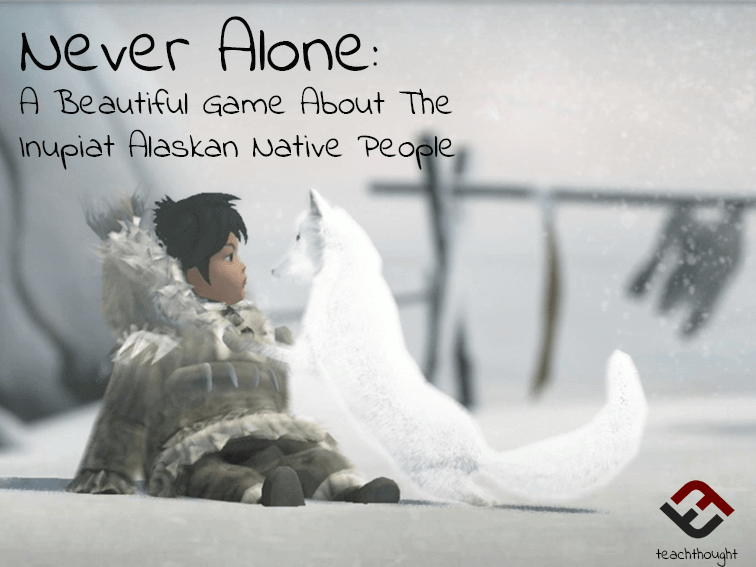
Never Alone is a game that “shares, celebrates, and extends culture” by exploring the plight of the Iñupiat, an Alaskan Native people.
Notifications
